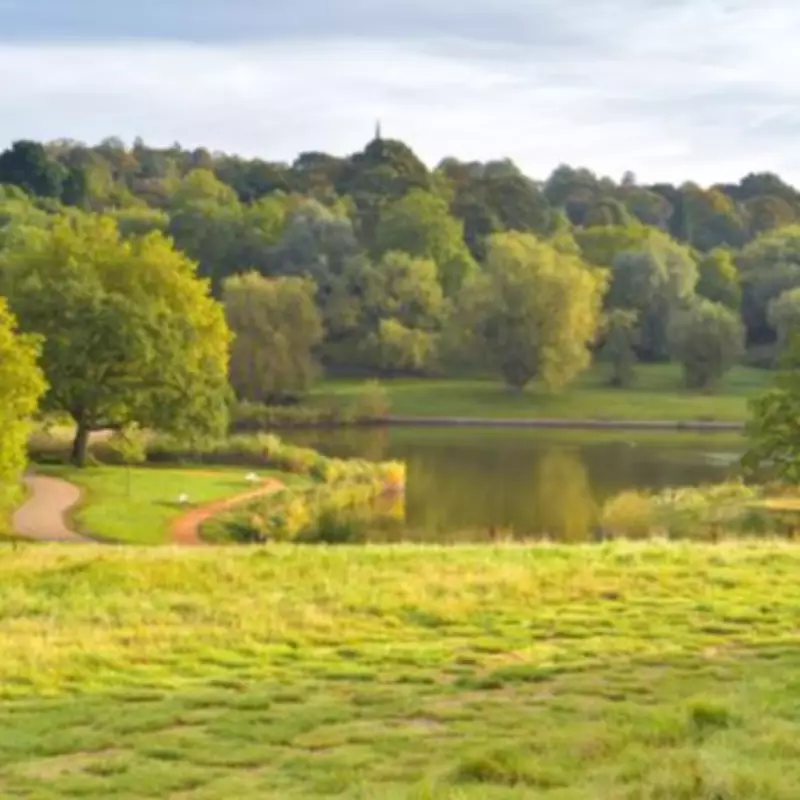
A small island located in the center of the Model Boating Pond on Hampstead Heath is undergoing a significant transformation into a dedicated wildlife sanctuary, following a successful fundraising campaign that raised £50,000 to protect nesting species. This initiative, managed by The City of London Corporation, aims to enhance biodiversity and create a peaceful refuge for local wildlife.
Creating an Isolated Haven for Wildlife
The peninsula, situated just north of the Men's Bathing Pond, is currently connected to the shore by a narrow causeway. Under the new plans, this land bridge will be completely removed, effectively turning the peninsula into an isolated island. This strategic change will cut off access for visitors and their pets, providing a secure environment for wetland birds, amphibians, and reptiles to thrive without human disturbance.
Enhanced Habitat Features
Once isolated, the island will feature approximately 100 square metres of newly planted reedbeds and wildflower plants, designed to support and enrich the local ecosystem. Temporary fencing will be installed to protect sensitive areas during the initial growth phases, ensuring that these habitats can develop fully and sustainably over time.

Official Statements and Project Goals
Alderman Gregory Jones KC, chairman of the committee responsible for the pond, emphasized the importance of this project. He stated, "This important project will create a peaceful sanctuary for wetland birds, right in the heart of Hampstead Heath. By removing the causeway, we’re giving species like mallard, coot, grebe, and swan a safe space to feed, rest, and nest – free from human disturbance. It’s a place they already use, and soon they’ll have it all to themselves."
He further highlighted the ecological benefits, noting, "We’re also planting new reedbed habitat, supporting nationally important ecosystems that enhance biodiversity and add to the Heath’s natural beauty. As they grow, the reeds will absorb carbon dioxide from the air and store it in their stems, roots, and surrounding soils, locking carbon away naturally over time."
Gratitude and Community Support
Alderman Jones expressed his gratitude to all supporters, saying, "Thank you to everyone who has supported this project. Your generosity is helping our charity protect and enhance the Heath’s remarkable biodiversity. I also want to thank our staff, whose hard work, time, and commitment go a long way in bringing these projects to life."
Historical Context and Ecological Significance
The island, as it exists today, was originally created during essential flood management works in 2016. It quickly became a favored nesting site for various bird species, including coots, moorhens, grebes, and herons. This new transformation builds on that natural adoption, further solidifying its role as a critical habitat.
Hampstead Heath is one of London's most cherished open spaces, attracting over 10 million visits annually. It is home to more than 800 species of flora and fauna, forming part of a broader network of 11,000 acres of protected open space managed by the City Corporation across London and southeast England. This project underscores ongoing efforts to preserve and enhance the Heath's ecological value for future generations.