Golden Eagles Poised for Historic Return to English Skies After 150-Year Absence
In a significant development for wildlife conservation, golden eagles could be reintroduced to England for the first time in over 150 years. A comprehensive study conducted by Forestry England has identified eight potential recovery zones, primarily in northern England, where these majestic birds could thrive once again.
Historical Decline and Modern Opportunity
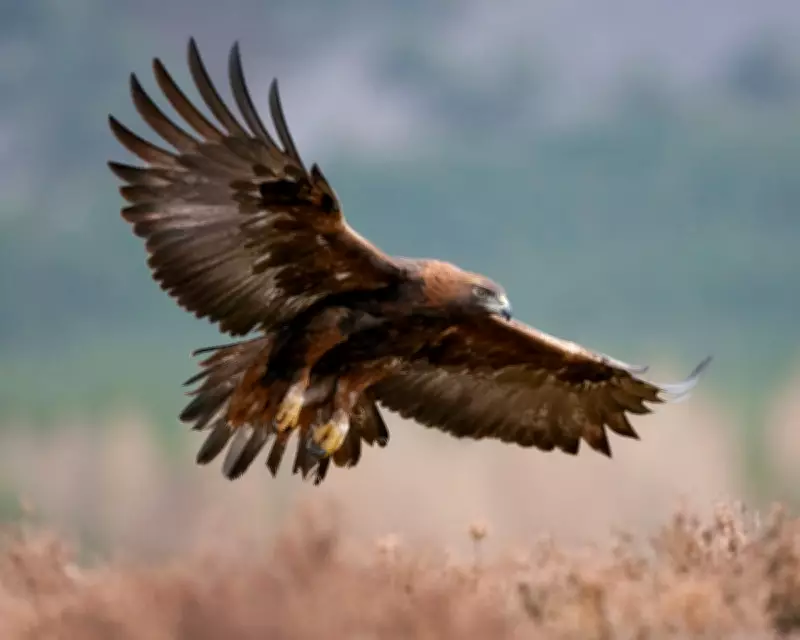
The golden eagle, a bird of prey with an impressive 2-meter wingspan, was once common in Shakespearean England, referenced more than 40 times in the Bard's works. However, centuries of persecution by gamekeepers and farmers, who viewed them as threats to lambs and game birds, led to their dramatic decline. The last native golden eagle in England is believed to have died in the Lake District in 2015, marking the effective extinction of the species in the country.
Occasional sightings have occurred in areas like Northumberland, where birds cross from southern Scotland, where populations have been successfully restored. The new study confirms that England now possesses the ecological capacity to sustain golden eagle populations, offering a historic opportunity for recovery.

Government Commitment and Funding
In response to the study's findings, Environment Secretary Emma Reynolds has approved £1 million in additional species recovery funding. This financial support aims to pave the way for a reintroduction program that could see juvenile golden eagles, aged six to eight weeks, released as early as next year.
Reynolds emphasized the government's dedication to wildlife restoration, stating, "This government is committed to protecting and restoring our most threatened native wildlife – and that includes bringing back iconic species like the golden eagle. Backed by £1 million of government funding, we will work alongside partners and communities to make the golden eagle a feature of English landscapes once again."
Recovery Zones and Timeline
The study identified eight recovery zones as the most suitable areas for golden eagle reintroduction, with a focus on northern England. While satellite tracking indicates that some birds from southern Scotland have already begun exploring northern England, establishing breeding populations will require time and careful management.
Forestry England estimates that Scottish birds could be regularly seen across northern England within a decade, but it may take longer for breeding pairs to become firmly established. The funding will support efforts to help these birds settle south of the border, complemented by targeted reintroductions.
Collaborative Conservation Efforts
Mike Seddon, Chief Executive of Forestry England, highlighted the importance of community engagement in the recovery process. "The detailed findings of our feasibility study will guide us, with our partners, Restoring Upland Nature, to take the next steps to explore the recovery of golden eagles in northern England," he said. "This funding means we can build on the good work we have begun, taking the time to build support and engage with local communities, landowners, land managers, and conservation organizations."
Broader Environmental Goals
The £1 million allocation is part of a larger £60 million species recovery fund announced by the Department for Environment, Food and Rural Affairs (Defra). This initiative aligns with the UK's legally binding targets to halt the decline in species abundance by 2030 and reduce species extinction risk by 2042, using 2022 levels as a baseline.
The potential return of golden eagles to England represents not only a triumph for conservation but also a step toward restoring ecological balance and preserving cultural heritage. As efforts progress, this iconic species may once again soar over English landscapes, symbolizing hope for wildlife recovery across the nation.