Historic Reintroduction of Giant Tortoises to Galapagos Island
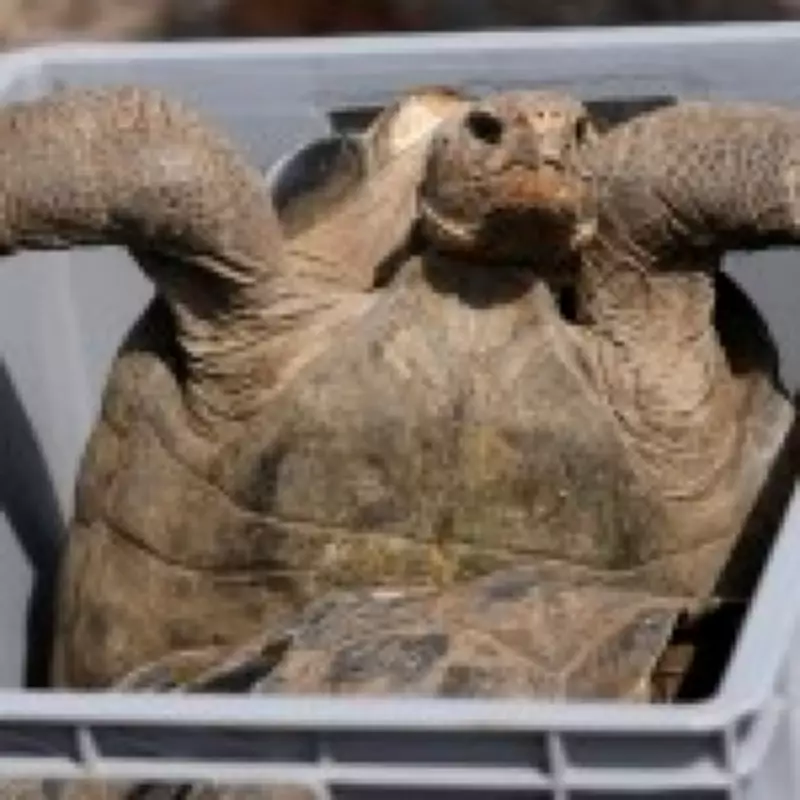
In a landmark conservation achievement, 158 giant tortoises have been triumphantly reintroduced to Floreana Island in the Galapagos archipelago, where they had vanished since the 19th century. This significant step, executed by the Galapagos National Park Directorate, represents a major milestone in restoring the island's ecological balance.
Breeding Program Success
The released tortoises were carefully bred and raised at the Fausto Llerena captive breeding centre on Santa Cruz Island. These animals possess strong genetic connections to a lineage rediscovered on Wolf Volcano, thanks to advanced genetic research that enabled the breeding program's success.
According to the environment ministry, this genetic foundation allows for a phased, technically-guided return of tortoises to Floreana. The ministry emphasized that this release establishes crucial groundwork for potentially reintroducing up to 12 additional species currently considered locally extinct.

Genetic Discovery of "Lost" Species
The breakthrough follows remarkable genetic research that identified a female specimen discovered three years ago on one of the Galapagos Islands as related to the only previously known example from 1906. Scientists found indications that other tortoises of the same species might coexist with her on Fernandina Island, a pristine Pacific wildlife habitat.
Researchers sequenced the genomes of both the 1906 specimen (Chelonoidis phantasticus) and the 2019 female, named Fernanda, comparing them with all living Galapagos giant tortoise species. Published in Communications Biology, their findings confirmed the two are genetically linked and distinct from all other species.
Scientific Significance
Dr. Evelyn Jensen, lead author and molecular ecology lecturer at Newcastle University's School of Natural and Environmental Sciences, stated: 'Only two tortoises have ever been found on Fernandina Island, and here we have shown that they are indeed members of the same species, and different from the other Galapagos tortoises.'
'It is a truly exciting discovery that the species is not in fact extinct, but lives on,' she added, highlighting the conservation implications.
Fernandina Island, an active volcano on the western side of the Galapagos, holds historical significance as one of the locations visited by Charles Darwin in 1835, which inspired his revolutionary theory of evolution.
Conservation Implications
This reintroduction program demonstrates:
- The power of genetic research in conservation biology
- The potential for restoring ecosystems through species reintroduction
- The importance of captive breeding programs for endangered species recovery
- The ongoing discovery of biodiversity in remote habitats
The successful return of giant tortoises to Floreana Island marks not just a victory for conservationists but a hopeful precedent for restoring fragile ecosystems worldwide.