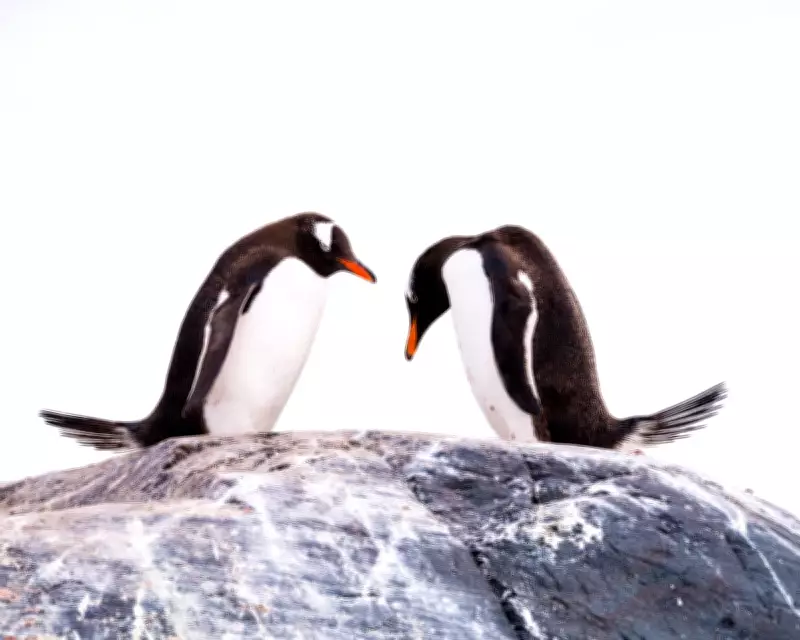
Gentoo Penguins Suffer Severe Losses from H5N1 Bird Flu Outbreak on Heard Island
A devastating outbreak of the H5N1 bird flu virus has struck gentoo penguins on Heard Island, an isolated Australian territory in the southern Indian Ocean, leading to substantial mortality and raising alarms for the broader Antarctic ecosystem. This incident highlights the growing threat of avian influenza to remote wildlife populations, with scientists closely monitoring the situation for potential spread to other species.
Outbreak Details and Impact on Penguin Colonies
The H5N1 virus, known for its high pathogenicity in birds, has been confirmed as the cause of death for numerous gentoo penguins on Heard Island. Researchers report that the outbreak has resulted in a significant decline in local penguin numbers, with carcasses found across breeding sites. The island's harsh, subantarctic climate may have exacerbated the virus's effects, as penguins gather in dense colonies, facilitating rapid transmission.
Heard Island, which is uninhabited by humans and managed as a nature reserve, provides a critical habitat for gentoo penguins and other seabirds. The outbreak underscores the vulnerability of such isolated ecosystems to infectious diseases, which can be introduced by migratory birds or environmental factors. Authorities are assessing the long-term implications for penguin populations and the island's biodiversity.

Broader Concerns for Antarctic Wildlife and Conservation Efforts
This event has sparked concerns about the potential for H5N1 to spread to other Antarctic regions, where wildlife is often naive to such pathogens. Gentoo penguins, along with other penguin species and seabirds, play a key role in the Antarctic food web, and their decline could have cascading effects on the ecosystem. Conservationists warn that climate change and increased human activity in polar areas might heighten disease risks.
In response, Australian and international scientists are collaborating on surveillance and research to understand the virus's origins and transmission patterns. Efforts include monitoring other bird species on Heard Island and nearby territories, as well as developing strategies to mitigate future outbreaks. The situation calls for enhanced biosecurity measures and global cooperation to protect fragile polar environments from emerging health threats.