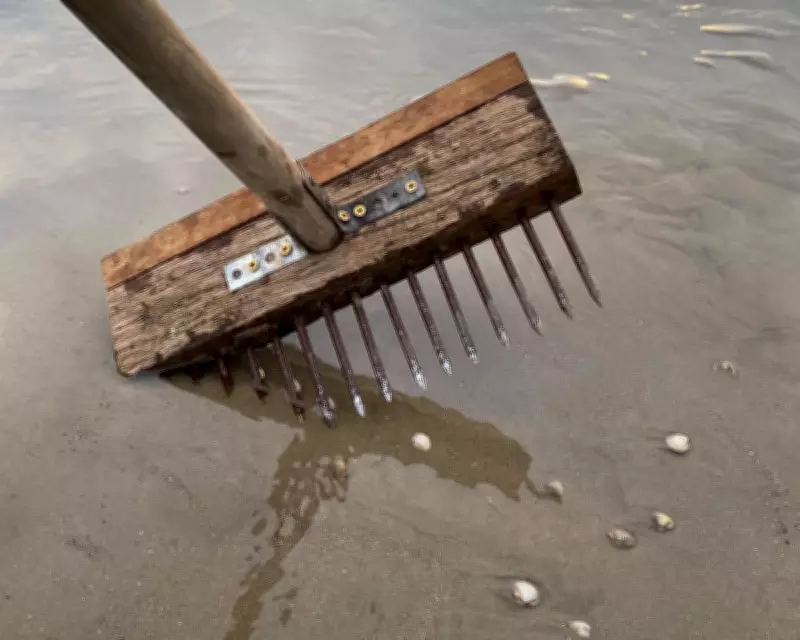
The Timeless Allure of Coastal Foraging
In an era dominated by digital screens and urban sprawl, the simple act of foraging for cockles along the shoreline offers a powerful antidote to modern disconnection. This age-old practice, rooted in tradition and necessity, has evolved into a cherished ritual for those seeking to rekindle their bond with the natural environment. As the tide recedes, revealing the wet sands and hidden treasures of the intertidal zone, foragers embark on a journey that is as much about discovery as it is about sustenance.
A Sensory Immersion in the Coastal Landscape
The experience of cockle foraging engages all the senses, creating a deeply immersive encounter with the coastal ecosystem. The salty tang of the sea air, the rhythmic sound of waves lapping against the shore, and the cool, damp texture of the sand underfoot combine to create a multisensory tapestry. Foragers often describe a feeling of being fully present, their attention captivated by the search for the telltale signs of cockle beds—small dimples or slight movements in the sand that betray the presence of these bivalves below.
This activity demands patience and a keen eye, as cockles are masters of camouflage, blending seamlessly into their sandy surroundings. The process of carefully digging them out, often by hand or with simple tools, requires a gentle touch to avoid damaging the delicate shells. Each successful find brings a small thrill, a tangible connection to the bounty of the sea that has sustained coastal communities for generations.

The Ecological and Cultural Significance of Cockle Foraging
Beyond its personal rewards, cockle foraging carries significant ecological and cultural weight. Cockles, as filter feeders, play a crucial role in maintaining water quality by consuming plankton and organic particles. Their presence is often an indicator of a healthy marine environment, making sustainable foraging practices essential to preserve these ecosystems for future generations.
Responsible foragers adhere to local guidelines and seasonal restrictions, ensuring that cockle populations remain robust and that breeding cycles are not disrupted. This mindful approach underscores a broader ethic of environmental stewardship, where taking from nature is balanced with giving back through conservation awareness.
Culturally, cockle foraging is woven into the fabric of coastal life, with knowledge passed down through families and communities. It represents a living heritage, a link to ancestral ways of life that prioritized harmony with natural rhythms. In regions where commercial cockle harvesting has declined due to environmental pressures or economic shifts, recreational foraging has emerged as a way to keep these traditions alive, fostering a sense of continuity and place.
The Profound Sense of Vitality and Connection
Perhaps the most profound aspect of cockle foraging is the visceral sense of vitality it imparts. Foragers frequently speak of feeling "alive, alive-o"—a phrase that captures the exhilaration of engaging directly with the elements. This feeling arises not just from physical activity but from the mental shift it prompts: a slowing down, an attunement to natural cycles, and a temporary escape from the pressures of contemporary life.
The act of gathering food from the wild fosters a deep appreciation for the sources of our nourishment, contrasting sharply with the anonymity of supermarket aisles. It reminds us of our dependence on healthy ecosystems and the simple pleasures that come from hands-on engagement with the world around us. As one forager noted, "There's something elemental about it—a return to basics that grounds you in what truly matters."
In conclusion, foraging for cockles is more than a pastime; it is a meaningful practice that reconnects individuals to the natural world, promotes environmental consciousness, and revitalizes the spirit. As coastal areas face increasing threats from climate change and development, such activities highlight the enduring value of preserving these spaces for both ecological health and human well-being.