Unprecedented Chimpanzee Civil War Erupts in Uganda's National Park
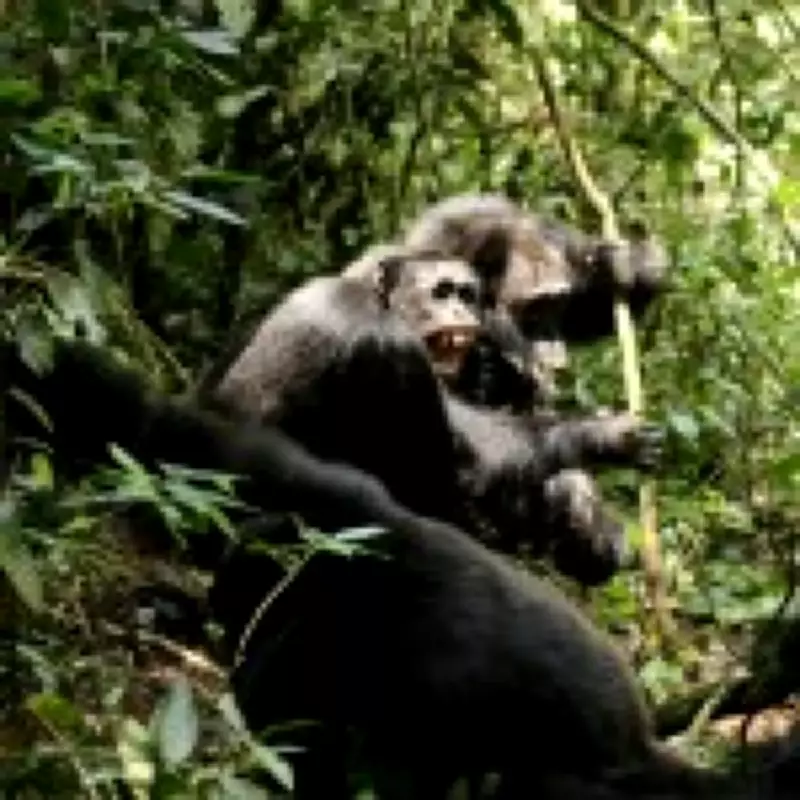
In a groundbreaking scientific observation, researchers have documented the world's first recorded chimpanzee civil war among a community of 200 great apes in Uganda's Kibale National Park. This extraordinary conflict, which unfolded over nearly a decade, reveals startling parallels to human warfare and social breakdown.
The Fracturing of a Primate Society
The Ngogo chimpanzee community, once living in harmony for decades, began experiencing social disintegration in 2015. According to a landmark study published in the journal Science, the initial fracture occurred in June 2015 when some chimpanzees chased away their companions, causing the community to split into two distinct factions: the Central group and the Western group.
Initially, these rival groups maintained what researchers describe as "Romeo and Juliet-style relationships," sharing territory and resources despite their separation. This fragile coexistence persisted for several years, with chimpanzees from opposing groups occasionally interacting in what appeared to be peaceful encounters.

Escalation to Deadly Conflict
By 2018, the last remaining friendships between the groups dissolved completely. The chimpanzees began patrolling their respective territories with military-like precision and launching raids into enemy territory. Over the next four years, the conflict turned increasingly violent.
Western group males killed seven males and seventeen infants from the Central group during this period. Additionally, fourteen adolescent chimpanzees disappeared without trace, despite showing no signs of illness prior to their disappearance. Their bodies were never recovered, suggesting they may have been victims of the ongoing conflict.
"Nothing like this has ever been observed before," said lead author Aaron Sandel, a primatologist at the University of Texas. "[Ngogo] is the first time that you could say definitively that the civil war is actually happening."
Root Causes of Primate Warfare
While the exact triggers remain unclear, researchers identified several potential factors contributing to the chimpanzee civil war. As the population swelled beyond sustainable levels, the established social order began to crumble. Competition over limited food resources intensified, while the death and subsequent succession of alpha males created power vacucles that destabilized the community structure.
Chimpanzees, humanity's closest living relatives, exhibit remarkably complex behaviors including tool-making, emotional bonding, grieving rituals, and organized violence. These behaviors are transmitted across generations, creating what scientists call "cumulative cultures" - a phenomenon previously believed unique to humans.
Broader Implications for Understanding Conflict
Chimpanzee communities rarely fracture, with such divisions occurring only approximately every five hundred years. The Ngogo conflict provides unprecedented insights into the origins of warfare and social collapse in primate societies.
Sandel emphasizes that these findings may help humanity understand not only why conflicts erupt but also how peaceful coexistence can be maintained. "What we have to do is maintain interpersonal relationships," he explains. "In our own daily lives with the people that we interact with, if we can reunite - even in the face of conflict - then I think that's a recipe for maintaining peace."
The research team continued observing the chimpanzee community through 2024, noting that deadly attacks persisted even after their formal study concluded. This ongoing conflict among our primate cousins offers sobering lessons about the fragility of social bonds and the universal nature of territorial conflict across species.