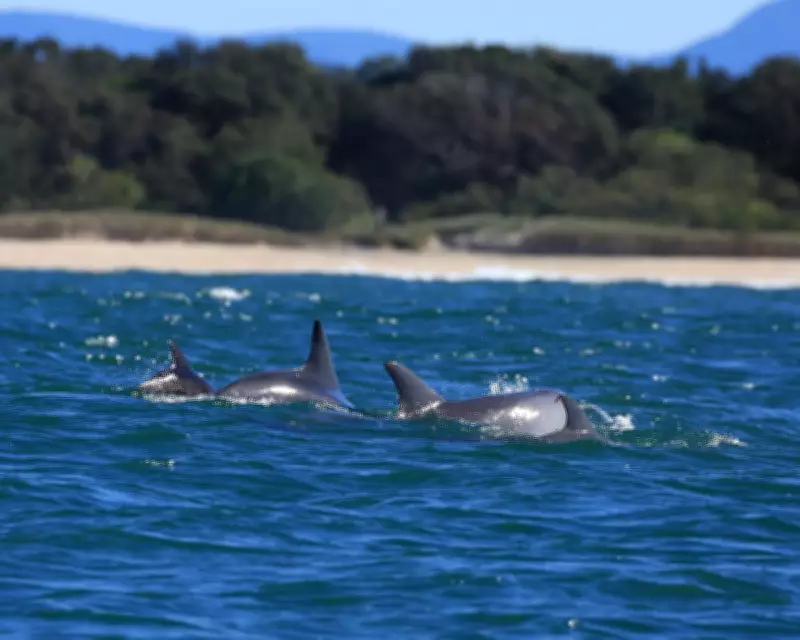
A comprehensive dolphin census conducted along the New South Wales coast has revealed that the dolphin population remains stable, with researchers counting over 3,000 individuals. The survey, which took place over several weeks, covered a vast area from the Queensland border to the Victorian border, providing crucial data on the health of marine ecosystems.
Survey Methodology and Findings
The census utilized both aerial surveys and boat-based observations to ensure accurate counts. Scientists recorded 3,042 dolphins, a figure consistent with previous years, suggesting that the local dolphin population is not facing immediate threats. The study also noted a healthy mix of age groups, including many calves, indicating successful breeding.
Regional Distribution
The dolphins were found in various habitats, with the highest concentrations near Jervis Bay and Port Stephens. These areas are known for their rich marine biodiversity and are popular spots for dolphin watching. The stable numbers are a positive sign for conservation efforts, as these regions are also heavily frequented by tourists.
- Jervis Bay: 850 dolphins recorded
- Port Stephens: 720 dolphins recorded
- Byron Bay: 410 dolphins recorded
Conservation Implications
Marine biologists emphasize that while the stable population is encouraging, continued monitoring is essential. Threats such as climate change, pollution, and boat traffic could impact dolphin numbers in the future. The New South Wales government has implemented measures to protect marine habitats, including speed restrictions for vessels in dolphin-rich areas.
Dr. Sarah Johnson, lead researcher, stated: "The census results are reassuring, but we must remain vigilant. Dolphins are indicators of ocean health, and their well-being reflects the state of our marine environment."
Community Involvement
Citizen scientists played a key role in the census, with volunteers helping to spot and record dolphin sightings. This collaborative approach not only aids data collection but also raises awareness about marine conservation. The next census is scheduled for 2028, with plans to expand the survey area to include deeper offshore waters.