Annual 'Wedding Flight' of 1,000 Queens Revives Europe's Endangered Dark Bee
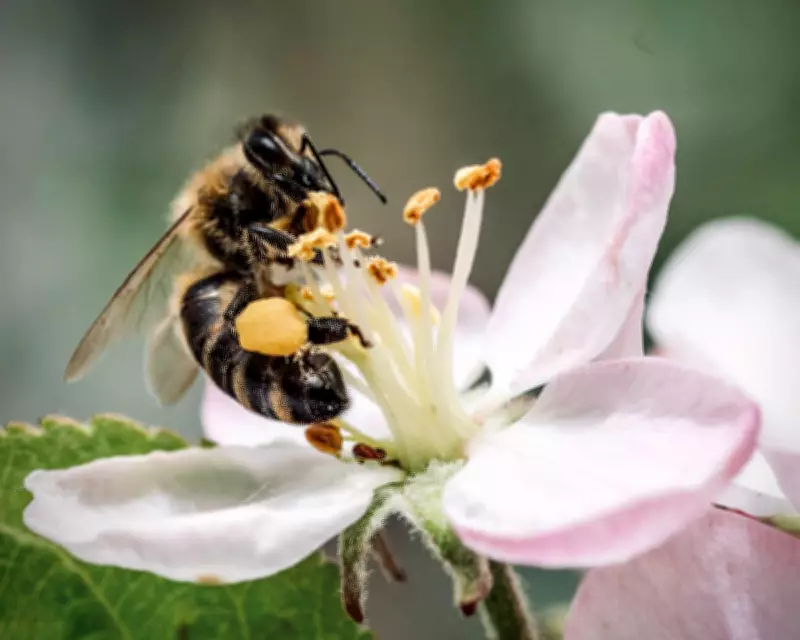
Every summer, a remarkable event unfolds in the Belgian town of Chimay, where 1,000 virgin queens descend for an annual "wedding flight." During this ceremony, a male attaches to a female, his endophallus is torn off, and he falls to the ground and dies, accomplishing the mission of fertilization. Beekeepers from the Netherlands, France, and Germany gather to pick up their fertilised queens in small, colourful hives, driving them back home, sometimes over 300km away. They use this genetic material to build new colonies, aiming to spread the genes of the endangered European dark bee (Apis mellifera mellifera), the native subspecies of the honeybee that evolved for the colder climates of northern, central, and western Europe.
A Sanctuary for Native Bees
This pilgrimage, which started in 2000, is crucial for conservationists who argue the dark bee is the only subspecies that should inhabit this region. Beekeepers can reserve a place at the Maison de l'Abeille Noire, akin to booking a camping spot, for a two-week visit where young queens mate with up to 20 males, collecting millions of sperm stored in a pouch for several years. Hubert Guerriat, a Belgian biologist and beekeeper with 40 years of experience, founded the South Hainaut beekeeping school in 1983 and has been pivotal in driving the species' return. He compares farming dark bees to hybrid honeybees as looking after a Scottish highland cow versus an intensive dairy cow, emphasizing, "They are not the same animal."
Historical Decline and Modern Revival
For thousands of years, dark bees were widespread in colder, humid parts of Europe, but their fortunes changed in the mid-20th century as beekeepers imported hybridised bees for higher honey production, causing "irreparable" damage. Today, populations are fragmented in Scandinavia, France, and Spain, with a rediscovery in the UK over a decade ago after being thought extinct. Guerriat's organisation, Mellifica, unites dark bee keepers across Europe, and he breeds hundreds of queens annually. In Chimay and Momignies, a protected zone spanning 30,000 hectares allows only dark bees, with 50 to 100 participating beekeepers and plans for expansion.

Beekeeping Practices and Economic Benefits
Isabelle Noé, a cheesemaker with over 100 hives, started her colony in 2017 in a retrofitted Aldi van, now producing a tonne of honey annually. Her hives, painted in different colours with patterns, help bees return to the right home. Dark bee keepers produce less honey due to smaller hives and less pollen collection, but they experience fewer bee losses and require fewer inputs, such as feeding sugar in winter. Products like "miel de noire" honey sell for €4.50 per 250g pot, alongside lip balm, candles, and throat syrup, creating a special market niche.
Ecological Impact and Resilience
The western honeybee is the world's most important pollinator, but evidence suggests it harms wild pollinators. Guerriat advocates for native subspecies as "the only way to get closer to more sustainable beekeeping," warning that using foreign bees contributes to the native bee's disappearance. Conservationists are restoring wild populations in forests with log hives to replicate natural habitats, strengthening the gene pool. Dark bees are more resistant to cold, humidity, and sudden climate changes, having survived the last ice age in France. In 2024, a rainy summer affected hybrid honeybees poorly, but dark bees were less impacted.
Challenges and Future Prospects
Record mass honeybee die-offs in the US, with 60% colony losses due to parasites and disease, highlight the need for resilience. Research indicates local honeybees are more disease-resistant, and dark bees may better avoid Asian hornets by staying in hives during peak activity months. As beekeepers face climate breakdown, invasive species, and disease, the dark bee exemplifies local biodiversity's resilience. Guerriat notes, "In apiculture, you have to explain to people how to work with dark bees. With time they find that it is a beautiful bee."