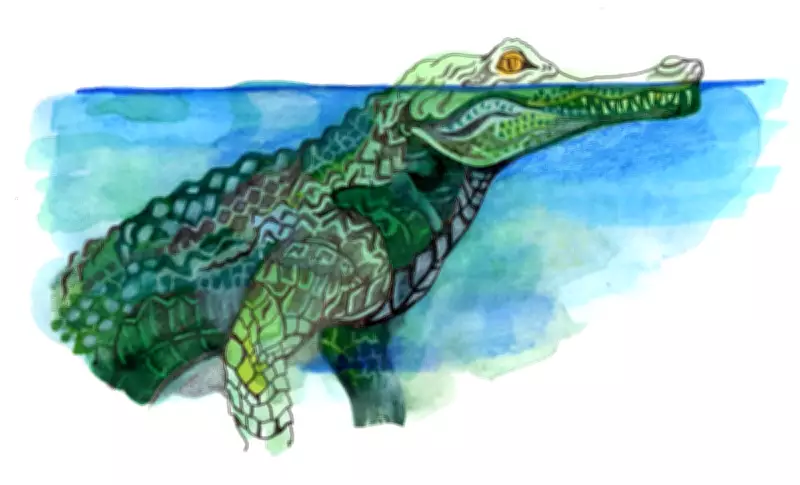
Crocodile Breath-Holding Secrets: How Long Can They Stay Underwater?
In the realm of the animal kingdom, crocodiles stand out as masters of aquatic stealth, with their ability to remain submerged for astonishing durations capturing the curiosity of scientists and nature enthusiasts alike. This remarkable feat is not merely a party trick but a critical survival adaptation honed over millions of years of evolution.
The Science Behind Crocodile Breath-Holding
Crocodiles can typically hold their breath underwater for 15 to 30 minutes during routine activities, such as resting or stalking prey. However, under optimal conditions, such as when they are in a state of reduced metabolic activity or hibernation-like torpor, some species have been documented to extend this period to over an hour. For instance, in cold water or during sleep, crocodiles can slow their heart rate to as low as 2-3 beats per minute, drastically conserving oxygen and allowing them to stay submerged for up to two hours in rare cases.
This ability is facilitated by several physiological adaptations. Crocodiles possess a highly efficient respiratory system with large lungs that can store significant amounts of oxygen. Additionally, they have a unique four-chambered heart similar to mammals, which helps separate oxygenated and deoxygenated blood, enhancing oxygen delivery to vital organs. Their muscles contain high levels of myoglobin, a protein that binds oxygen, enabling them to function anaerobically for longer periods without breathing.

Factors Influencing Underwater Duration
Several key factors determine how long a crocodile can stay underwater without breathing:
- Water Temperature: In colder environments, crocodiles enter a state of reduced metabolism, allowing them to conserve oxygen and extend their submersion time.
- Activity Level: When actively hunting or moving, crocodiles use more oxygen, shortening their breath-holding capacity compared to when they are at rest.
- Species Variation: Different crocodile species, such as the saltwater crocodile or Nile crocodile, may have slightly varying abilities based on their habitat and evolutionary traits.
- Age and Health: Younger, healthier crocodiles often have better respiratory efficiency, enabling longer dives.
Survival Strategies and Evolutionary Insights
Crocodiles' breath-holding prowess is integral to their predatory lifestyle. By remaining motionless underwater, they can ambush prey with minimal detection, using their camouflaged bodies and patience to strike at the perfect moment. This strategy conserves energy and maximizes hunting success in aquatic environments like rivers, lakes, and estuaries.
From an evolutionary perspective, this trait has allowed crocodiles to thrive as apex predators for over 200 million years, adapting to changing climates and ecosystems. Their ability to regulate metabolism and oxygen use showcases the intricate balance between physiology and environment in the animal world.
In summary, while the average crocodile can hold its breath for 15-30 minutes, exceptional circumstances can push this limit to over an hour, highlighting their status as one of nature's most resilient and fascinating creatures. Understanding these mechanisms not only satisfies curiosity but also underscores the importance of conservation efforts to protect these ancient reptiles and their habitats.