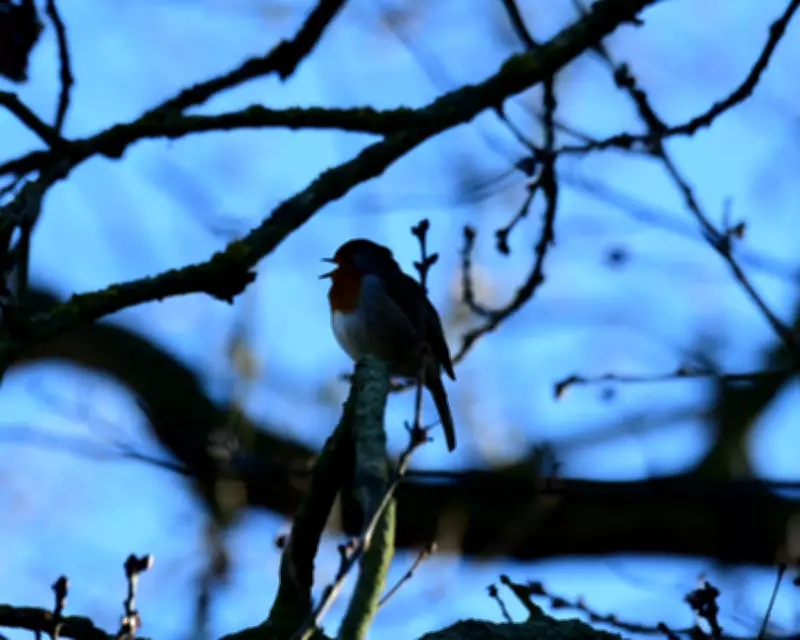
The melodic dawn chorus at Hogshaw in Derbyshire, where robins sing against the morning light, masks a troubling discord in local conservation efforts. This former Buxton tip, once scarred by industrial use, has undergone a remarkable natural regeneration over decades.
From Industrial Scar to Biodiversity Hotspot
What was once a dumping ground has transformed into a self-willed woodland dominated by willow and birch trees. These pioneer species have created an invertebrate paradise, supporting an astonishing 870 documented species, primarily insects. The ecological richness extends through summer wildflowers that blanket the area, creating a vibrant tapestry of life.
The Symphony of Spring
Recent dawn-chorus walks have documented twenty different bird species greeting the spring mornings. Among the vocalists are song thrushes, mistle thrushes, dunnocks, wrens, bullfinches, and greenfinches—many of which appear on the British Trust for Ornithology's red or amber conservation lists. The abundance of insect life directly fuels this avian orchestra, providing essential protein for breeding birds.
"Dawn chorus" proves somewhat misleading terminology, as dedicated badger monitors in the area report birdsong beginning as early as 3:40 AM, reaching peak volume around 4:30 AM—long before any hint of daylight. The term "chorus" itself requires careful consideration, as Bernie Krause explores in his seminal work The Great Animal Orchestra.
Nature's Harmonious Competition
While birds sing primarily to establish territories and attract mates—creating inherent competition—Krause's research reveals how natural soundscapes achieve remarkable harmony. Each species occupies specific frequency ranges within the auditory spectrum, and over millennia, ecological communities have evolved to share these sonic spaces without interference. Hogshaw represents this acoustic equilibrium in practice, where diverse organisms coexist within a balanced auditory environment.
Development Threatens Natural Harmony
The troubling dissonance comes from High Peak Borough Council, which owns most of the Hogshaw site. Despite declaring a nature emergency across Britain—a commendable recognition of ecological crisis—the council has simultaneously refused to protect this biodiverse haven. Instead, officials plan to place Hogshaw in a "land bank" earmarked for future development.
This contradiction raises fundamental questions about environmental policy implementation. No comparable urban area in the region matches Hogshaw's ecological richness, making its potential loss particularly devastating. Conservation advocates question the sincerity of emergency declarations when not supported by concrete protective measures and creative conservation strategies.
The situation highlights the tension between development pressures and biodiversity preservation in urban fringe areas. As spring returns to Derbyshire each year, the future of Hogshaw's dawn chorus remains uncertain, its harmonious natural orchestra threatened by human discord over land use priorities.