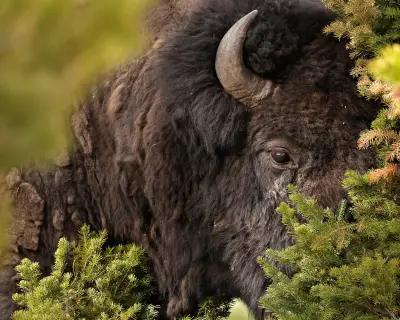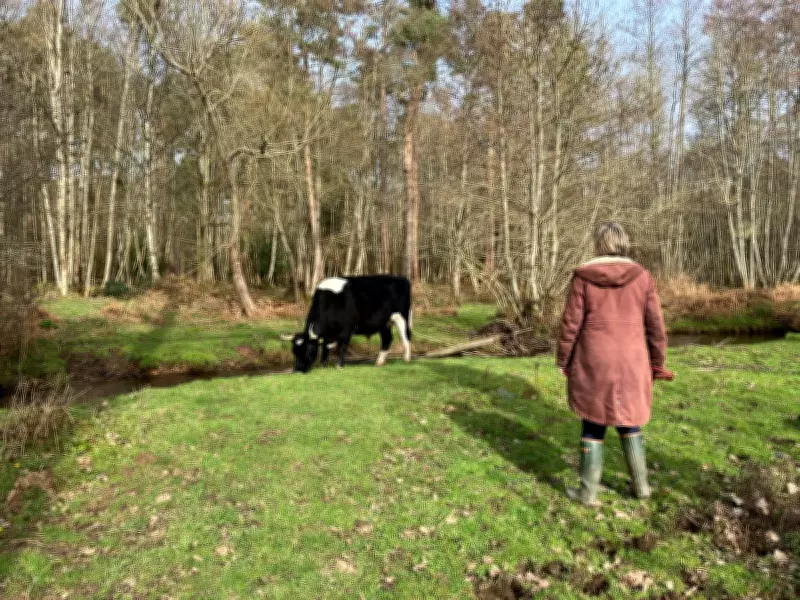
In the quiet expanse of Woolton Hill, Hampshire, a small herd of Shetland cows moves purposefully through The Chase nature reserve. These hardy animals, with their distinctive upswept horns, are not merely grazing—they are performing a vital ecological role as conservation grazers. By managing scrub, dispersing seeds, and creating varied habitats, they foster greater biodiversity and support diverse plant life.
A Landscape Shaped by History and Activism
The reserve, once common land featuring a sheepwash and blanket mill that gave Woolton Hill its name, has a layered past. Enclosed for hunting in 1819, it became a National Trust property in 1944. Today, the Newbury bypass looms overhead on an old railway embankment, a structure that still evokes mixed feelings for those who participated in the impassioned road protests three decades ago.
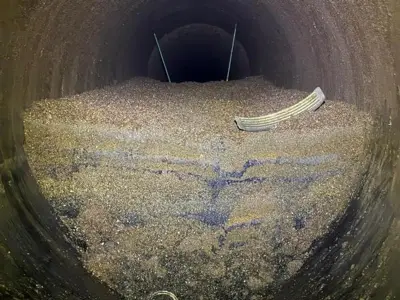
For the author, this place is intertwined with personal history and activism. Memories include the aftermath of the great storms of 1987 and 1990, when trees lay like spilled pencils, and more recent felling during the bypass construction. There are recollections of environmental challenges, such as devastating sewage spills that harmed invertebrates, fish, lampreys, and native crayfish.

The Role of the Cow Watcher
Sarah, a dedicated volunteer cow watcher for the National Trust, uses a tracking app to monitor the herd via a collar on Colchis, one of the six Shetland cows. Her routine checks ensure the animals' wellbeing and whereabouts, blending technology with traditional stewardship. During a recent visit, the author joined Sarah, wading across a stream to find the cows grazing among wild daffodils and golden saxifrages—a scene of serene productivity.
Personal Connections and Shared Experiences
The reserve has served as a playground for generations. Sarah and the author recall bringing their children for "welly walks," losing boots in streams, and observing wildlife like great spotted woodpecker chicks fledging from Corsican pines. They have waited for otters in alder carrs and followed silver-washed fritillary butterflies, building a tapestry of shared moments that enrich the landscape's ecological value.
After completing their circuit, the pair planned to meet at a garden centre cafe. A moment of forgetfulness led the author to the wrong location—a nearby pub—before finally arriving. Following the zigzag trails of peaty-black mud from Sarah's boots across the polished cafe floor, the author added their own traces, a subtle reminder of the day's work with a hint of cow muck.
This visit underscores how conservation grazing not only supports environmental health but also weaves together personal narratives and community efforts. In Woolton Hill, the past and present converge, offering lessons in resilience and the enduring power of nature.