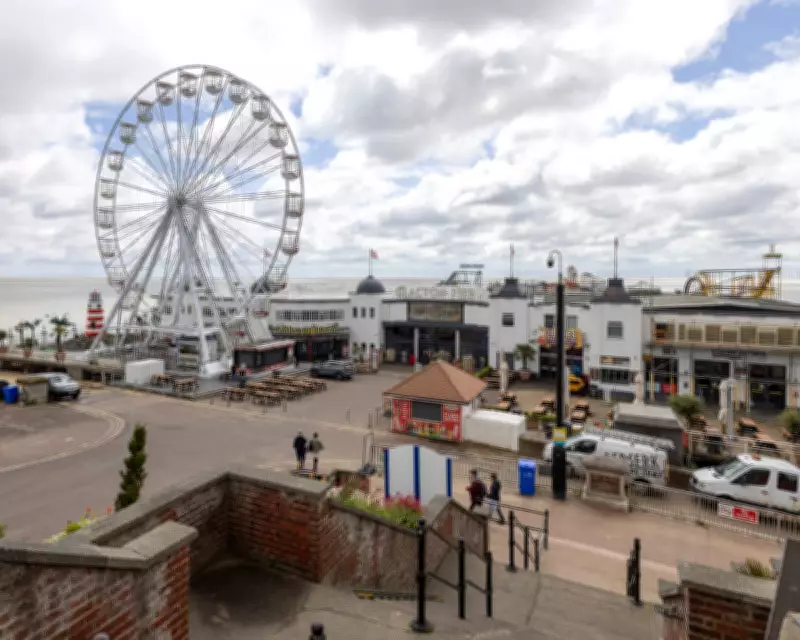
Nigel Farage's constituency of Clacton-on-Sea has been identified as a 'tree desert' in a new report by the Woodland Trust, leaving residents more exposed to air pollution, poorer health, lower life expectancy, and the impacts of rising temperatures.
Clacton-on-Sea Tops List of Tree Deserts
The Essex town ranks as the worst-performing area in England for equal access to trees, with 98.2% of urban residents living in neighbourhoods with critically low access to trees. The research, covering the entire UK, highlights a significant north-south divide, with 15 of the worst-performing towns and cities located in the north. Hartlepool also shows particularly low tree access, with 86.9% of residents at risk.
Caroline Gray, Woodland Trust tree equity programme officer, stated: 'More than a million people in the UK are living in these tree deserts, places of critically low tree equity where communities are missing out on the many benefits trees provide. That can mean hotter homes and streets, dirtier air, higher rates of asthma and heart disease, and poorer physical and mental health. These challenges affect daily life in countless ways and, combined with wider inequities, can even contribute to lower life expectancy.'

Impact of Tree Scarcity on Health
Research suggests that a scarcity of trees in urban areas increases the risk of stress, anxiety, depression, and poor physical health. Trees in urban environments reduce flood risk, keep air cleaner, and protect against rising temperatures. The north-east region has the highest number of tree deserts, with 13 of the worst-performing English towns. Conversely, London and the south-east fare best, including Woking and Tunbridge Wells, with five of the best-performing areas in the capital such as Lambeth, Islington, and Hackney.
Gray emphasised that everyone should have easy, nearby access to the environmental and health benefits of trees, known as tree equity. Wealthier areas tend to have more trees, while areas of social deprivation have far fewer. The Woodland Trust urges that tree equity be embedded into urban planning, with planted trees cared for and protected to ensure they thrive and improve residents' quality of life.
Local Response and Initiatives
Councillor Adrian Smith, Cabinet Member for Environment at Tendring District Council, responded: 'The characterisation of areas such as Clacton as a tree desert does not reflect the reality on the ground. More than 40,000 trees have been planted in Tendring in recent years through the Tendring Woodland Initiative Group and with support from partners including the Essex Forest Initiative. In addition, the council has planted over 1,500 trees across many open spaces, strengthening tree cover in urban areas as part of the Urban Tree Challenge Fund. Community-led planting projects, memorial tree additions, and ongoing maintenance programmes demonstrate our commitment to increasing biodiversity and enhancing green spaces.'
The rankings reflect the scale of the population exposed to low tree equity, not just areas with the lowest overall tree cover. Tree equity measures whether areas have enough tree cover to meet local needs; for instance, areas with high air pollution require greater tree cover than those with cleaner air. Trees in urban areas create wildlife habitats, help prevent flooding, improve air quality, and provide shade and cooling. However, they face threats from development and climate breakdown. In cities like Plymouth and Sheffield, the felling of urban trees has sparked public protests.