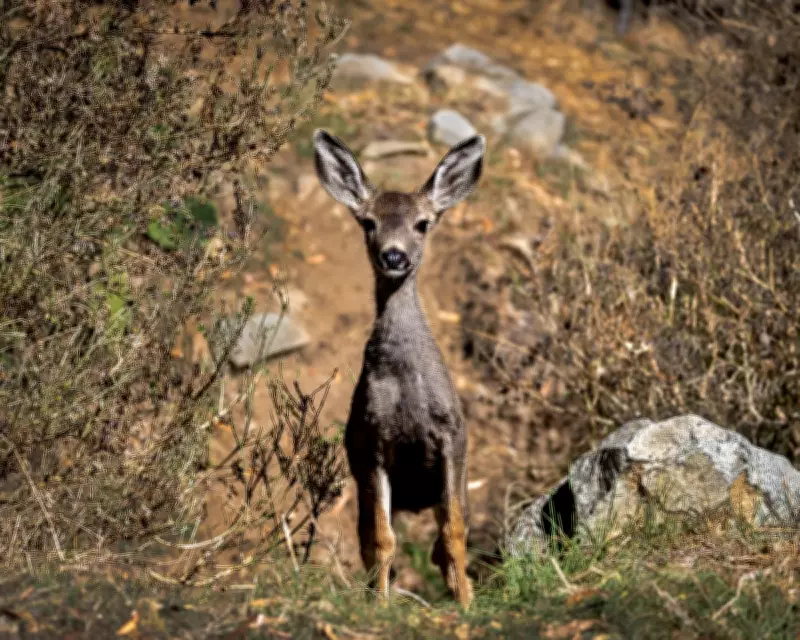
California Officials Greenlight Controversial Mule Deer Extermination Plan for Catalina Island
California wildlife authorities have moved decisively forward with a contentious plan to completely eradicate the mule deer population from Santa Catalina Island. The California Department of Fish and Wildlife has issued a permit authorising the Catalina Island Conservancy, which manages the vast majority of the island's terrain, to eliminate the herd of approximately 1,800 deer over a five-year period.
Conservancy Cites Biodiversity Threat from Non-Native Species
The Catalina Island Conservancy, an environmental non-profit organisation, has long argued that mule deer represent a significant threat to the island's delicate ecosystem. According to conservationists, these deer are not native to Catalina Island and their presence has caused substantial ecological damage. The heavy browsing pressure from deer has allowed invasive non-native grasses to colonise areas once populated with native plants, transforming shrubby chaparral into invasive grasslands.
The conservancy maintains that the ecological challenges facing Catalina cannot be resolved sustainably while non-native mule deer continue to prevent habitat recovery and restoration. Native flora on Santa Catalina evolved without mule deer, meaning plants developed few natural defences against the animals' feeding habits. This has created an imbalance that threatens endangered species including the Catalina Island fox and the Catalina Hutton's vireo, a small songbird endemic to the island.

Controversial Extermination Methods Approved
The approved eradication plan involves multiple methods that have sparked considerable controversy:
- Hired shooters will kill deer over bait throughout most of the island
- Outside Avalon, the island's only incorporated city, shooters may operate at night
- Helicopters and drones may be deployed to help locate deer
- Helicopters may drop nets to capture deer
- As deer numbers decrease, dogs will assist shooters in finding remaining animals
- The permit also allows for capture, sterilisation, GPS collaring and release of some deer
The meat from culled animals will be allocated to feed captive birds at the California Condor Recovery Program or provided to tribal partners. Recreational hunting will continue on the island, though the conservancy asserts this has proven insufficient for population control.
Local Opposition and Cultural Significance
Many Catalina Island residents strongly oppose the extermination plan, viewing the methods as cruel and the deer as an iconic part of local identity. "Mule deer have been part of Catalina's landscape for nearly a century, and their presence has become an important part of the island's identity," wrote Los Angeles County Supervisor Janice Hahn in a recent letter to California wildlife officials.
An online petition titled "Stop the Slaughter of Mule Deer on Catalina Island" has gathered nearly 23,000 signatures, reflecting widespread public concern. Residents argue that despite being introduced in the 1920s to establish a huntable population, the deer have become culturally significant over generations.
Ecological Restoration Plans
As the deer population is reduced, the Catalina Island Conservancy plans to implement comprehensive ecological restoration measures. These include replanting native flora and actively combating invasive plant species. The organisation believes that restoring native shrubs and other vegetation will create a more resilient ecosystem capable of supporting endangered native species.
The conservancy's management plan emphasises that habitat restoration represents a critical component of long-term environmental sustainability for Catalina Island. This controversial eradication programme highlights the complex challenges facing conservationists when balancing ecological preservation with cultural heritage and local community values.