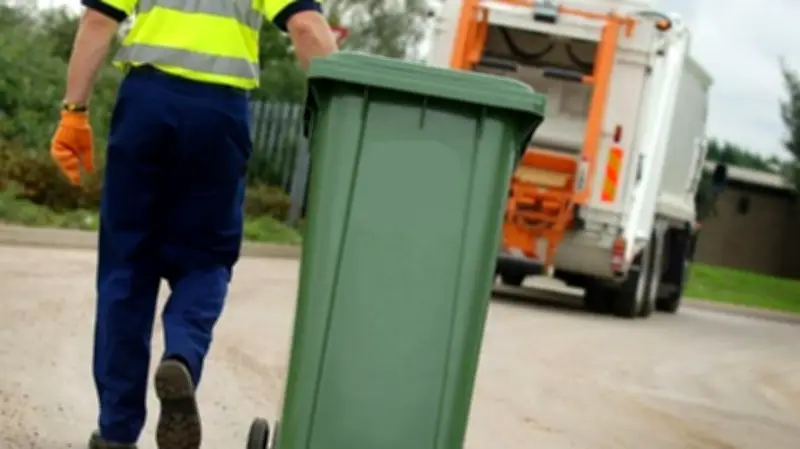
Dartford Borough Council is set to introduce a new weekly food waste collection service for thousands of households, with the first collections beginning in November 2026. The service will be rolled out in phases across the borough starting from autumn, with caddies delivered to residents ahead of the initial collections.
Service aims to boost recycling and cut waste
The move is designed to improve recycling rates and reduce general waste by diverting food scraps from household bins. Food waste currently accounts for around 30 per cent of the average household bin, according to the council. Under the new scheme, this material will be collected separately and processed through anaerobic digestion, which converts it into renewable energy and fertiliser.
The council estimates that the service will divert at least 5,000 tonnes of food waste from general waste bins each year. Residents will receive a small indoor kitchen caddy and a larger outdoor caddy for collections. The scheme will accept a wide range of food waste, including fruit and vegetable peelings, meat, fish, bones, dairy products, bread, rice, pasta and plate scrapings.
Council leaders highlight benefits
Cllr Jeremy Kite, leader of Dartford Borough Council, said: "This is one of the most significant improvements to our recycling service in many years and I am delighted that residents will soon be able to recycle their food waste separately."
He added: "Food waste makes up a surprisingly large proportion of what we throw away. By collecting it separately, we can turn it into something useful rather than simply treating it as rubbish. The new service will make recycling easier for residents while helping to reduce disposal costs and improve our environmental performance. It is a win for residents, a win for taxpayers, and a win for the environment."
How the scheme will work
Food waste from the scheme will be taken to an anaerobic digestion facility, where it will be broken down to produce biogas and fertiliser. Steve Brown, cabinet member for environment and waste, said: "It’s surprising how much food waste ends up in our bins. This new service gives residents a simple way to recycle more, cut waste and help generate renewable energy at the same time."
He continued: "It's exactly the sort of improvement we want to make, delivering a better service for residents while reducing costs and helping us meet our environmental ambitions." The phased rollout will see caddies distributed to residents before the first collections begin in November 2026, with the council aiming to improve recycling rates across the borough.