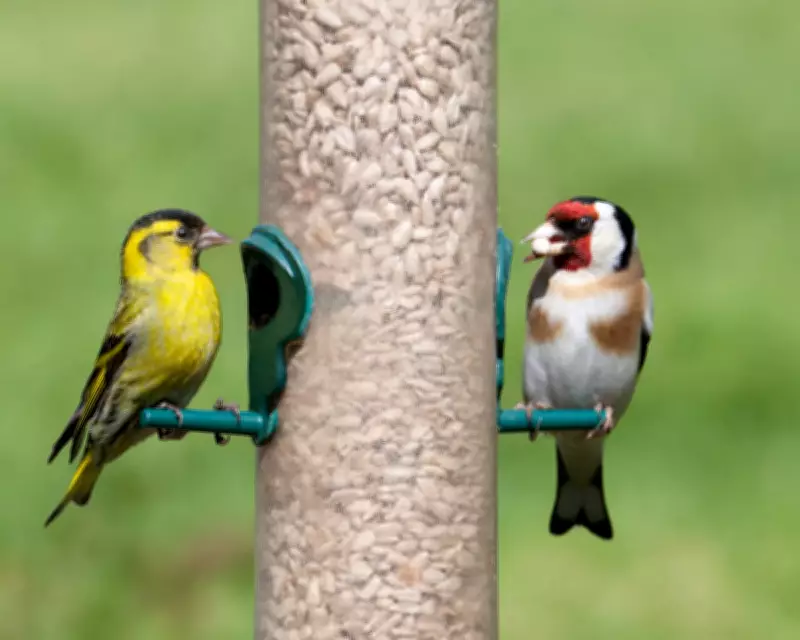
The Complex Hierarchy of Garden Bird Feeders
In gardens across the country, bird feeders have become a common sight, offering a window into the intricate social dynamics of avian life. A recent detailed observation of a typical feeder reveals a strict pecking order, where larger, more aggressive species like magpies and woodpigeons dominate access, often pushing smaller birds such as sparrows and finches to the periphery. This hierarchy is not merely a matter of size; it involves complex behaviors, including territorial displays, vocal warnings, and strategic timing of visits. For instance, tits and robins may exploit brief moments when dominant birds are distracted, showcasing a nuanced understanding of social structures that mirrors broader ecological interactions.
Environmental and Ethical Considerations
The practice of feeding birds, while popular among nature enthusiasts, has sparked a significant debate among environmentalists and ecologists. On one hand, proponents argue that feeders provide essential support, especially during harsh winters or in urban areas where natural food sources are scarce. They point to studies suggesting that supplementary feeding can boost survival rates and reproductive success for certain species. However, critics raise concerns about unintended consequences, such as the spread of diseases through contaminated feeders, dependency on human-provided food, and the disruption of natural foraging behaviors. Additionally, there is evidence that feeders can alter local ecosystems by favoring generalist species over more specialized ones, potentially reducing biodiversity.
Experts emphasize the importance of responsible feeding practices. Recommendations include using appropriate food types, such as seeds and suet balls, while avoiding bread or processed foods that can harm birds. Regular cleaning of feeders is crucial to prevent disease transmission, and placement should consider safety from predators like cats. Some conservationists advocate for a more holistic approach, encouraging gardeners to plant native species that provide natural food and shelter, thereby supporting a wider range of wildlife without the risks associated with feeders.

Broader Implications for Urban Wildlife Management
This discussion extends beyond individual gardens to broader urban wildlife management strategies. As cities expand and green spaces diminish, human interactions with wildlife become more frequent, necessitating informed policies. Local councils and environmental organizations are increasingly promoting guidelines on wildlife feeding, balancing public engagement with ecological health. For example, initiatives like "bird-friendly cities" integrate feeders into larger conservation plans, emphasizing habitat restoration and public education. The debate also touches on ethical questions about human intervention in natural processes, with some arguing that feeding should be minimized to allow ecosystems to function autonomously.
Ultimately, the observation of a bird feeder's pecking order serves as a microcosm of larger environmental issues. It highlights the delicate balance between human compassion for wildlife and the need to preserve natural ecological dynamics. By fostering awareness and adopting evidence-based practices, individuals can contribute to healthier urban environments where birds and other wildlife thrive sustainably.