Punch the Baby Macaque Moves Beyond His Ikea Plushie Companion
Punch, the seven-month-old Japanese macaque who captured global attention by clinging to an Ikea djungelskog stuffed orangutan after being rejected by his mother, is showing signs of outgrowing his plush companion. The baby monkey, residing at Ichikawa City Zoo near Tokyo, is increasingly interacting with his peers, marking a significant step in his social development.
From Solitary Comfort to Monkey Society
Initially, Punch was frequently seen dragging the oversized toy around the enclosure, retreating to hug it whenever other monkeys shooed him away. Heartbreaking early footage showed him wandering alone with the plushie or clutching it tightly while being harassed by older macaques. However, recent observations indicate a positive shift.
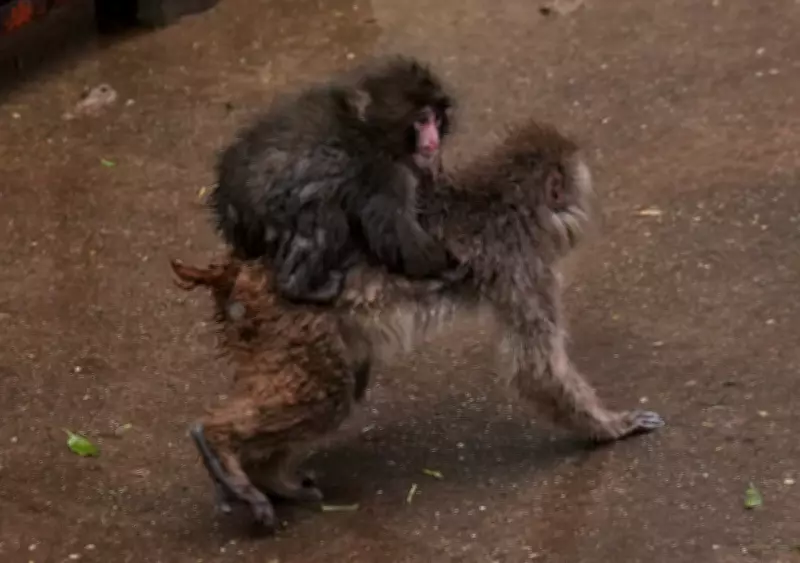
Zookeepers and visitors have noted Punch climbing on the back of another monkey, sitting with adults, and even receiving grooming and hugs. "It was good to see him grow, and I'm reassured," said Sanae Izumi, a 61-year-old fan from Osaka who visited the zoo specifically out of concern for Punch. "He is adorable!"

The Science Behind Maternal Abandonment
Punch's story raised questions about why mother animals sometimes abandon their offspring. Alison Behie, a primatology expert at Australian National University, explained that while such abandonment is unusual, it can occur under specific conditions. "In Punch's case, their mother was a first-time mother, indicating inexperience," Behie stated.
She added that zookeepers believe Punch was born during a heatwave, creating a high-stress environment. "In environments where survival is threatened from outside stress, mothers may prioritise their own health and future reproduction rather than continue to care for an infant whose health may be compromised by those environmental conditions."
Zoo's Care Strategy and Public Response
After Punch's birth and subsequent abandonment, zookeepers nursed him and introduced the Ikea toy to train him to cling—a crucial survival skill for newborn macaques. The toy served as a surrogate for maternal contact, helping him develop necessary instincts.
The viral images of Punch with his plushie led to a surge in visitors, prompting the zoo to implement rules to protect the animals. These included asking visitors to stay quiet and limiting viewing times to 10 minutes to reduce stress for the zoo's approximately 50 monkeys.
"Helping Punch learn the rules of monkey society and being accepted as a member is our most important task," emphasized Kosuke Kano, a 24-year-old zookeeper.
Looking Toward Independence
Zoo officials are encouraged by Punch's progress. Although he still sleeps with his toy every night, there is hope he will soon huddle with other monkeys. "When he grows out of the plush toy that encourages his independence, and that's what we are hoping for," said zoo director Shigekazu Mizushina.
The transition from plushie dependency to monkey socialization represents a hopeful chapter in Punch's life, demonstrating resilience and the effectiveness of thoughtful zookeeping interventions.