Australian Scientists Achieve Breakthrough in Loggerhead Turtle Breeding
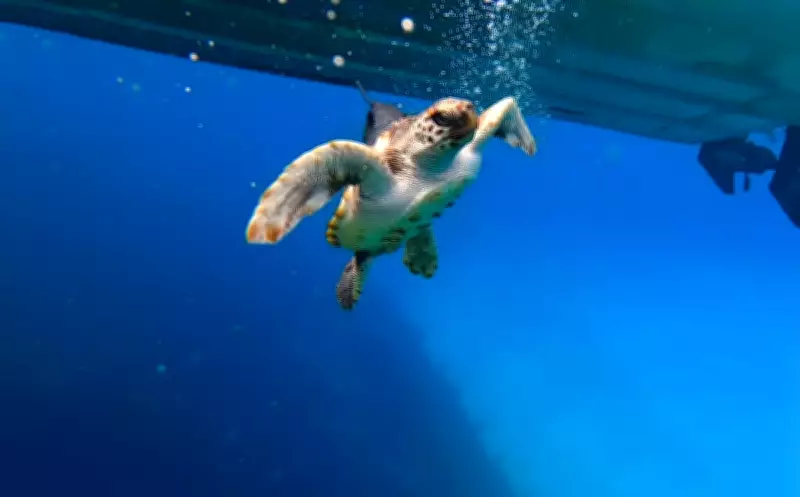
In a significant development for wildlife conservation, Australian scientists have successfully bred loggerhead turtles at Taronga Zoo in New South Wales. This achievement comes as a direct response to the escalating climate crisis, which poses severe threats to marine ecosystems and endangered species worldwide.
Addressing the Climate Crisis Through Conservation
The climate crisis has led to rising sea temperatures, ocean acidification, and habitat destruction, all of which endanger loggerhead turtles. These reptiles, known for their large heads and powerful jaws, are particularly vulnerable due to their nesting habits and reliance on specific coastal environments. Scientists at Taronga Zoo have undertaken this breeding program to bolster wild populations and ensure the species' survival in the face of these environmental challenges.
Key efforts include:

- Monitoring nesting sites to protect eggs from predators and human interference.
- Creating controlled breeding environments that mimic natural conditions to encourage reproduction.
- Conducting research on turtle behavior and physiology to improve conservation strategies.
Implications for Global Conservation Efforts
This success story highlights the critical role of scientific intervention in mitigating the impacts of the climate crisis. By breeding loggerhead turtles in captivity, researchers can release healthy juveniles into the wild, potentially increasing genetic diversity and resilience. The program at Taronga Zoo serves as a model for other conservation initiatives globally, demonstrating how targeted actions can combat biodiversity loss.
Experts emphasize that while breeding programs are essential, they must be complemented by broader climate action to address root causes such as greenhouse gas emissions and pollution.
Future Prospects and Challenges
Looking ahead, scientists plan to expand the breeding program and collaborate with international partners to share knowledge and resources. However, challenges remain, including funding constraints and the ongoing effects of the climate crisis on marine habitats. Continued public awareness and support are crucial to sustaining these conservation efforts and protecting loggerhead turtles for future generations.