
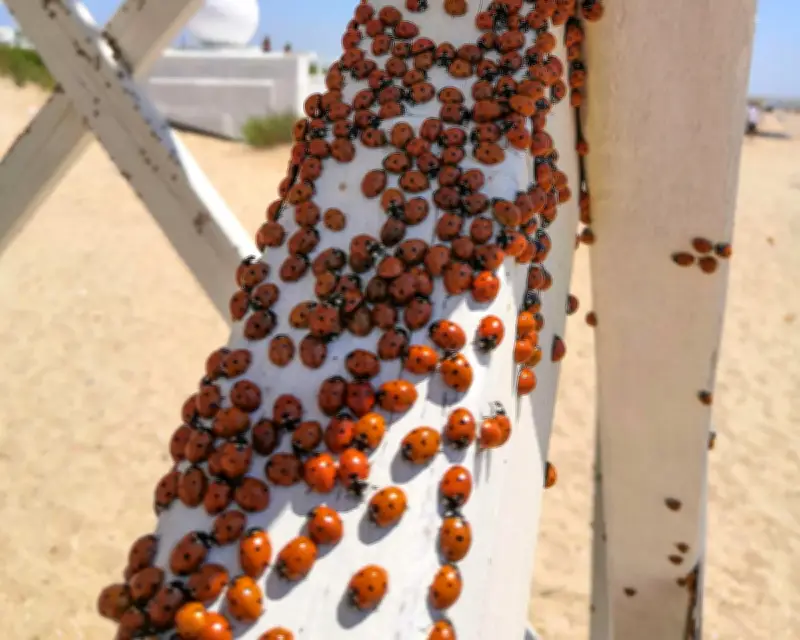
A massive swarm of seven-spot ladybirds descended on the Welsh coast in July 1976, reaching densities of 50,000 per acre and causing panic among holidaymakers. The event, described as a "cloudburst" and "deluge" of beetles, forced 100 cars to flee a car park in minutes.
Panic on the Beaches
According to a contemporary report in the Guardian's Country diary, the invasion occurred near Machynlleth. Witnesses reported that children screamed and parents panicked as the cascade of beetles came upon them. Within minutes, 100 cars roared out of the car park. The reporter later moved four miles inland and found ladybirds scattered on turf at a density of about 50,000 per acre.
Widespread Phenomenon
The plague was not limited to Wales. A few days later, a diarist in Norfolk noted that even walkers were impeded by the deluge of ladybirds on the East Anglian coast. One friend reported encountering ladybirds at an altitude of 3,000 feet while gliding. The Guardian editorial of 31 July 1976 lamented that the story had not received front-page coverage, calling it "the spottiest apocalypse."
Context of the 1976 Summer
The ladybird invasion occurred during a summer that also saw large numbers of humming bird hawk-moths and purple hairstreak butterflies. The seven-spot ladybird (Coccinella septempunctata) is a common species in Britain, but such massive swarms are rare.



