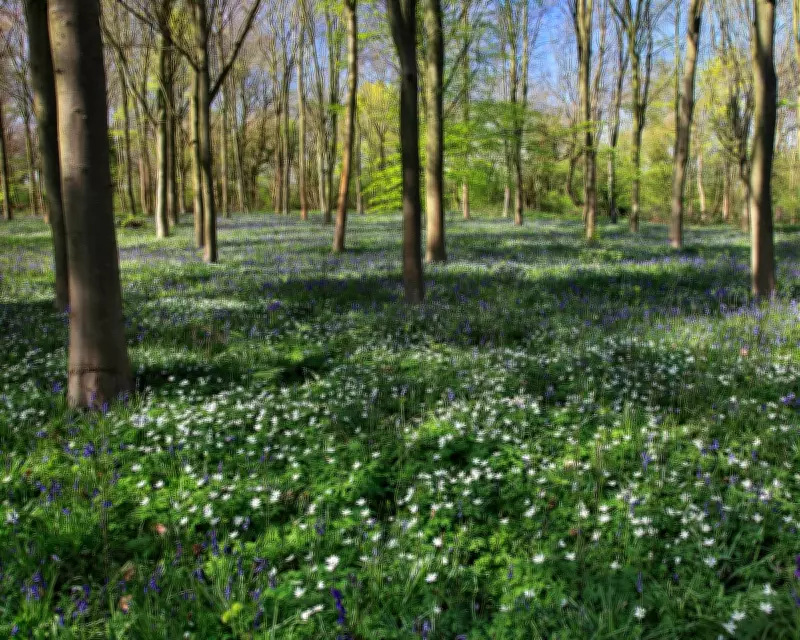
A remarkable entry from a 1926 country diary has resurfaced, offering a poetic glimpse into a spring woodland scene that remains strikingly relevant today. The diary, penned nearly a century ago, describes the forest floor as "starred with white anemones," evoking a vivid image of delicate blooms carpeting the ground in a serene, natural display.
Timeless Beauty of Wood Anemones
The diary entry meticulously details the appearance of wood anemones, also known as Anemone nemorosa, which typically bloom in early spring across British woodlands. These flowers, with their pure white petals and yellow centers, create a star-like effect against the dark earth and decaying leaves, as noted by the diarist. The description highlights how these anemones thrive in shaded, damp conditions, often forming extensive colonies that transform the woodland into a picturesque landscape.
Ecological Significance and Historical Context
Beyond their aesthetic appeal, wood anemones play a crucial role in woodland ecosystems. They are early bloomers, providing nectar for pollinators like bees and butterflies when other food sources are scarce. The 1926 diary entry serves as a historical record, documenting the seasonal patterns and biodiversity of the era. It reflects a time when such natural observations were commonly recorded, offering insights into environmental conditions before significant modern changes.

Comparisons with contemporary woodlands reveal both continuity and change. While wood anemones still bloom in many areas, factors like habitat loss, climate shifts, and pollution have impacted their prevalence. The diary's vivid portrayal underscores the importance of preserving these delicate habitats to maintain biodiversity and natural beauty for future generations.
Reflections on Nature Writing and Conservation
The diary entry exemplifies the tradition of nature writing, which has long inspired conservation efforts. By capturing the ephemeral beauty of spring flowers, the diarist encourages readers to appreciate and protect natural spaces. Today, such historical accounts can inform modern environmental initiatives, reminding us of the enduring value of woodlands and their floral inhabitants.
In summary, this 1926 country diary entry not only paints a charming picture of a woodland adorned with white anemones but also serves as a poignant reminder of nature's resilience and the need for ongoing conservation. Its lyrical description continues to resonate, bridging past and present in a celebration of spring's fleeting wonders.