Country Diary 1926: Is the Gamekeeper Wise to Destroy Weasels and Stoats?
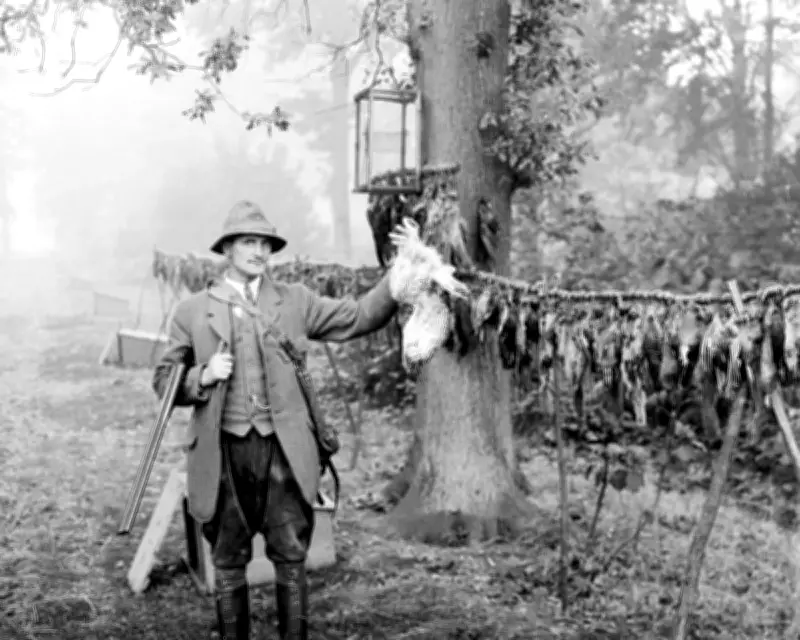
In the rural landscapes of 1926, a country gamekeeper, clad in traditional breeches and leather gaiters, tends to his grim duty at the gibbet. This scene, captured in a photograph from the Smith Archive, harks back to an era when such displays served as stark warnings. Yet, as a country diary from 12 February 1926 poignantly asks, is this practice truly wise when it comes to creatures like weasels and stoats?
The Gibbet's New Victims: A Question of Ethics and Economics
We have moved beyond the "good old days" when transgressors were hung on gibbets by the wayside as awful examples. However, the gamekeeper persists in this method for his real or supposed enemies. Notably, he rarely gibbets a poaching dog or a cat, the latter often counted as property. Among the dry, almost unrecognisable corpses, three new victims dangle: a magpie, a weasel, and a dog stoat.
While many plead for the birds, few advocate for these bloodthirsty, game-destroying little carnivores. The diary challenges us to consider: Is the keeper wise in destroying them, and are we wise in allowing it? Setting aside the ethics of sport, which many have strong opinions on, the economic aspect demands scrutiny.

Game-preservers often offer bounties on all "vermin" captured, explaining why both stoat and weasel frequently lose their tails. Yet, they pay nothing for rat tails, despite the brown rat being widely acknowledged as the worst enemy in game-rearing.
Rats as the True Enemy: The Role of Stoats and Weasels
Everyone familiar with game-rearing admits that the brown rat is the primary adversary to contend with. Those who understand the habits of stoats and weasels realise these predators play a crucial role in keeping rat populations in check. The diary argues that if weasels and stoats were allowed to thrive, the game they might destroy would be far outweighed by the game they preserve through rat control.
Though statistics may not prove it conclusively, the farmer would undoubtedly gain from this balance. After all, it is the farm crops that concern most people, not just the preservation of game for sport. By allowing these natural predators to live, we could foster a healthier ecosystem where rats are managed more effectively, benefiting agriculture and wildlife alike.
This century-old reflection invites us to rethink our approach to vermin control, suggesting that wisdom lies not in destruction but in understanding the intricate web of predator and prey.