Massive Wildlife Loss Feared After Reservoir Drainage in North Wales
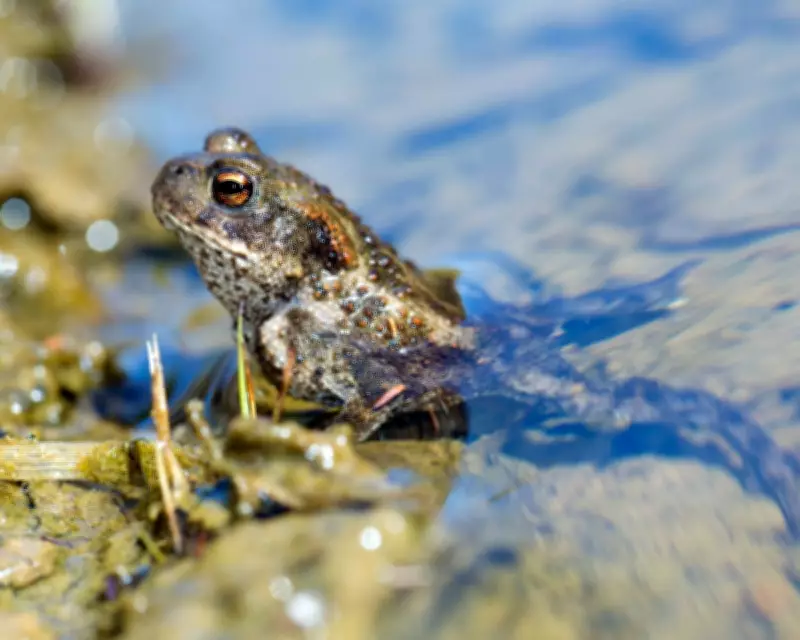
Conservation volunteers in Denbighshire have expressed profound anger and heartbreak after discovering that more than 1,000 toads may have perished when a Welsh water company drained a crucial reservoir during peak breeding season. The incident at Nant-y-Ffrith reservoir on the Llandegla moors has sparked outrage among wildlife protectors who describe the timing as catastrophic for local biodiversity.
"Shocked, Angry and Heartbroken" Conservation Response
Wrexham Toad Patrols, a volunteer organization dedicated to protecting declining amphibian populations, reported being "shocked, angry and heartbroken" upon finding the reservoir emptied by Hafren Dyfrdwy over the Easter weekend. The drainage occurred just weeks before the toads were expected to leave their breeding grounds, potentially trapping and killing hundreds of the vulnerable creatures.
"Why now – at the height of spring, when wildlife depends on these waters for breeding, feeding and nesting?" questioned Teri Davies in a social media statement. "We understand the need for the work, but not the timing. Waiting just a few more weeks could have made all the difference."
Critical Breeding Site for Multiple Species
The Nant-y-Ffrith reservoir near Wrexham serves as a vital habitat for numerous species beyond just toads. The area supports:
- Great crested grebes and coots
- Sedge warblers and reed buntings
- Lapwings and curlews in adjacent streams and fields
- Frogs, newts, and various insect populations
- Reported otter sightings in the wooded valley
Davies emphasized that toads exhibit strong site fidelity, returning to the same breeding locations year after year without relocating. "With the reservoir gone, they may not survive," she warned. "Birds like curlews and lapwings have lost vital breeding and feeding grounds. The effects will ripple through the entire ecosystem."
Volunteer Efforts Undermined by Timing
This year alone, Wrexham Toad Patrols had already assisted approximately 1,500 toads in crossing busy roads to reach their breeding sites at the reservoir. Their conservation work becomes particularly crucial given that common toad populations in the UK have declined by 41% over the past four decades, according to wildlife charity Froglife.
The volunteers' efforts to protect this declining species now face significant setbacks due to the reservoir drainage occurring during the most sensitive period of the toads' annual cycle.
Water Company's Response and Safety Justification
Hafren Dyfrdwy, which operates in north-east and mid Wales, stated that they drained the reservoir to conduct "essential safety improvements." A company spokesperson acknowledged the situation as "concerning for the local community" and expressed a desire to "identify ways to put things right for the future."
The company added that they are "currently reviewing what has occurred alongside our ecologists on site" to assess the full impact of their actions.
Broader Ecological Implications
The drainage of Nant-y-Ffrith reservoir represents more than just a temporary inconvenience for local wildlife. Conservationists warn that the timing during breeding season could have long-lasting consequences for multiple species that depend on this aquatic habitat. The loss of breeding grounds, feeding areas, and shelter could potentially set back local biodiversity recovery efforts for years to come.
This incident highlights the ongoing tension between necessary infrastructure maintenance and wildlife conservation priorities, particularly during sensitive ecological periods when even minor disruptions can have devastating consequences for vulnerable species already facing population declines.