Wellington's Sewage Crisis: Millions of Liters of Raw Waste Pollute Ocean
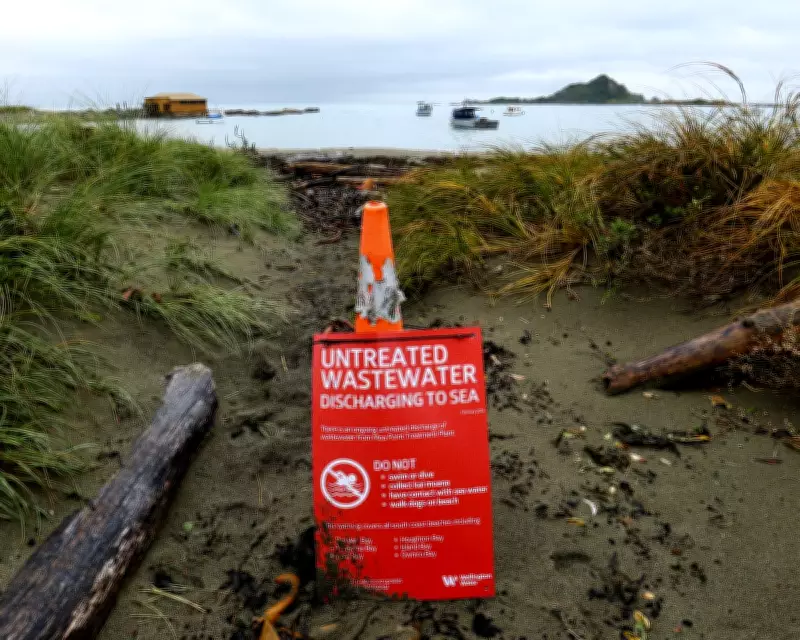
A health warning sign stands starkly in the sand at Island Bay, a grim marker of the environmental catastrophe unfolding in Wellington, New Zealand. This follows a massive discharge of untreated sewage from the Moa Point Wastewater Plant, which has been pouring millions of liters of raw and partially screened waste into the ocean since early February. The collapse of the plant has triggered a national inquiry, as authorities scramble to address the disaster that has turned popular coastlines into zones of public health alerts and ecological devastation.
Catastrophic Collapse and Ongoing Pollution
On February 4, an overnight electrical failure flooded the Moa Point wastewater treatment plant, destroying 80% of its equipment. Initially, raw sewage was pumped directly from a five-meter pipe near Tarakena Bay, but now most waste is being sent 1.8 kilometers offshore into the Cook Strait after minimal screening for large objects like tampons and wet wipes. The disaster has left beaches abandoned, with seagulls feeding on human waste and warning signs dotting the shoreline near Wellington Airport, where thousands of international visitors arrive daily.
Residents are outraged, describing the situation as a "catastrophe." Eugene Doyle, a south coast environmentalist, voiced the community's frustration, stating, "They're warning us to close our windows because a shit-laden hurricane is coming at us. Everyone in charge has done an appalling job, and they need to be held accountable." The sentiment is echoed by Ray Ahipene-Mercer, 78, who campaigned for the plant's construction in the 1980s, only to see history repeat itself with visible excrement and health risks reminiscent of pre-1998 conditions.
Environmental and Economic Impacts
Fears are mounting for marine ecosystems, particularly vulnerable species such as the little blue penguin, or kororā, which nest along the affected coast. Marine biologist Christopher Cornwall warns that "huge numbers" of creatures in reefs around the south coast are suffering, with potential mass die-offs of kelp in the Taputeranga Marine Reserve. This reserve is home to mussels, kina, pāua, sea sponges, fish, crayfish, octopus, and penguins, all at risk from human-borne bacteria, viruses, and microplastics accumulating in shellfish and seabirds.
The economic toll is also severe, with businesses reporting losses as beaches remain closed, disrupting income, wellness, and recreation for those dependent on the coast. Local iwi, including Taranaki Whanui chair Te Whatanui Winiata, express outrage and anguish, opposing any wastewater discharge into the ocean, which they regard as a source of sustenance and relation.
Governance and Infrastructure Failures
Water management has long been contentious in New Zealand, with ageing pipes in Wellington causing ongoing wastewater and stormwater issues. The Moa Point plant is overseen by multiple layers of local government and Wellington Water, contracted to French-owned Veolia, creating a convoluted authority structure. Wellington mayor Andrew Little, in office for four months, admitted the setup was unclear and left residents in a "state of shock."
A crown inquiry led by local government minister Simon Watts aims to investigate the causes, with Watts stating, "The public is owed the assurance that we understand what led to this failure and that we are taking steps to prevent it from happening again." He highlighted underinvestment in water infrastructure by councils and announced that a new entity, Tiaki Wai, will take over from Wellington Water in July as part of coalition government reforms.
Long-Term Negligence and Calls for Action
Official reports reveal years of warnings about underfunding and ongoing issues at the plant, with authorities estimating repairs could take months. Green party MP Tamatha Paul, who called a public meeting this week, criticized "generations of negligence" exacerbated by climate change. She emphasized the need for central government intervention to protect delicate species and habitats.
As the disaster continues, locals like Kayla Henderson, who often watches dolphins in the Taputeranga reserve, feel helpless. "I just care about the environment," she said. "And I want to have faith that we won't have raw sewage and rubbish going into protected marine waterways. I didn't think it would be that hard." The crisis underscores urgent calls for systemic change in New Zealand's approach to wastewater management, moving away from ocean discharge to prevent future catastrophes.