Historic Stepwell in Hyderabad Revived as Clean Drinking Water Source
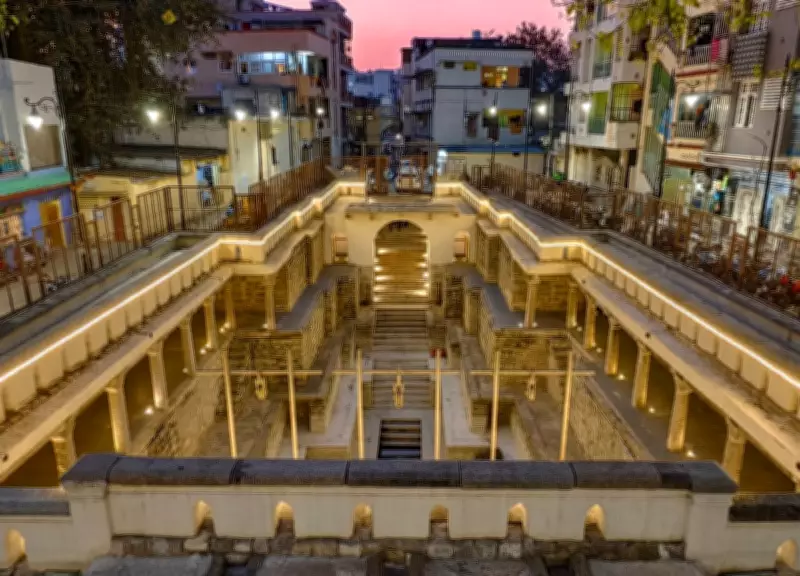
A 17th-century stepwell in Hyderabad's Bansilalpet neighborhood has been transformed from a rubbish dump into a vital source of clean drinking water, marking a significant achievement in sustainable water management. After an 18-month restoration effort that removed 3,000 tonnes of garbage, the stepwell now provides potable water for the first time in four decades, drawing cheers from local residents who witnessed its revival.
Joyous Moment for Community After Decades of Neglect
Hajira Adeeb, a 45-year-old resident, expressed her delight at seeing water collect in the stepwell again. "It was such a joyous moment to see water collecting into the stepwell after clearing 40 years of garbage," she said. "I visit almost every day. The area is clean and lit up in the evenings. I enjoy sitting there." The restoration has not only improved water access but also revitalized the community space, with the well maintaining a water depth of nine meters even during summer months.
Stepwells: India's Ancient Water Harvesting Systems
India is renowned for its stepwells, multi-storey structures built between the 11th and 18th centuries to access groundwater. These architectural marvels feature steps and platforms descending to water levels, constructed near natural aquifers. However, many were abandoned under British rule due to hygiene concerns and further deteriorated in the late 20th century as they became dumping sites. The Stepwell Atlas, a collaborative project with organizations like the Indian National Trust for Art and Cultural Heritage, lists over 3,000 stepwells across India, with about 100 in Telangana, nearly half in Hyderabad.
Restoration Efforts Led by Architect Kalpana Ramesh
The transformation of the Bansilalpet stepwell is credited to architect Kalpana Ramesh, who has revived 25 stepwells in Telangana as sustainable water sources. Supported by the Telangana Municipal Administration and Urban Development Department and her social enterprise, the Rainwater Project, Ramesh aims to make all restored wells provide drinking water. "I was sure that the system of harvesting rain to recharge groundwater would work on a larger scale," she explained, noting her 15 years of personal rainwater harvesting experience. Currently, Bansilalpet is the only stepwell in Telangana offering potable water, but Ramesh hopes to equip others with filtration systems to encourage preservation.
India's Severe Water Crisis and the Role of Stepwells
India faces its worst water crisis in history, with over 600 million people experiencing high-to-extreme water stress. The country, home to 18% of the global population, has only 4% of the world's freshwater resources. Projections indicate water demand will double by 2030, exacerbated by erratic monsoons and groundwater over-exploitation. States like Telangana are heading towards "day zero," where no water is available, prompting multipronged approaches including rainwater harvesting and stepwell restoration.
Techniques for Groundwater Recharge and Community Impact
Stepwells were originally built in open areas to allow rainwater to seep into aquifers, but modern concrete construction hinders this process. Restoration involves capturing surface water and directing it through filters of sand, gravel, pebbles, and boulders into recharging pits. This filtered rainwater replenishes aquifers, providing free, accessible water. Pandith Mandure, former director of Telangana's groundwater department, noted a six to seven-meter rise in groundwater levels in Hyderabad from 2021 to 2023 due to such measures. Ramesh emphasizes community engagement, urging locals to keep nearby water bodies clean to maximize rainwater potential.
Broader Implications for Water Sustainability
The revival of the Bansilalpet stepwell serves as a template for other restoration projects, highlighting the importance of integrating traditional water systems with modern sustainability efforts. While stepwells help with shallow groundwater availability, a comprehensive transformation of the water ecosystem—including clean ponds, lakes, and rivers—is essential for significant change. As India grapples with its water scarcity, initiatives like these offer hope for resilient, community-driven solutions to one of the nation's most pressing challenges.