
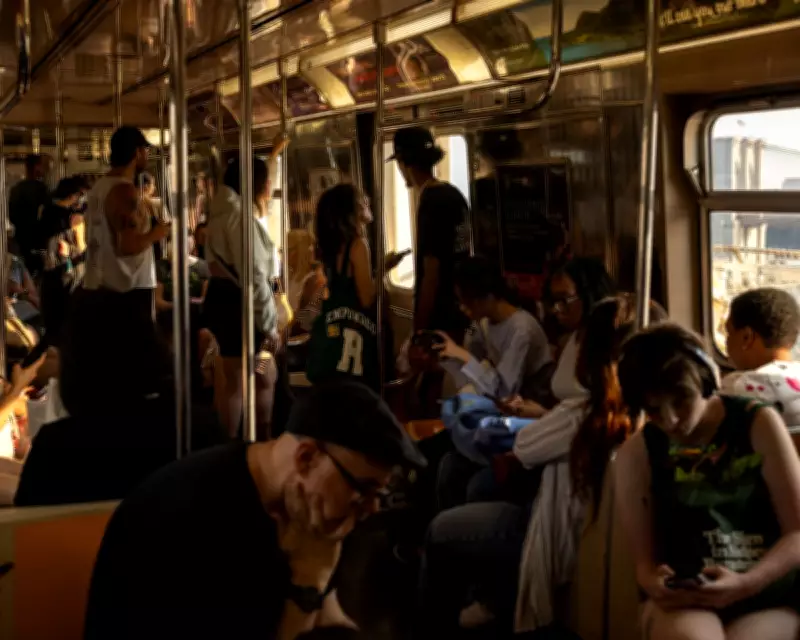
Navigating US cities without a car presents significant challenges, with public transit systems often falling short of international standards. First-time visitors arriving for this summer's World Cup may be surprised by the limited options available, as the United States continues to prioritize highway expansion over transit investment.
Global Comparisons Highlight US Deficits
While the US plans to allocate trillions toward highway construction in the coming decades, its public transit infrastructure remains years behind comparable global cities. A 2023 study underscores this gap, showing that even New York City, home to the nation's premier subway system, struggles with ridership levels that trail behind cities like Bangalore, Santiago, and Warsaw.
Varied Transit Systems Across the Nation
Some US cities offer better transit than others, but none consistently meet world-class benchmarks. New York's subway, though advanced by domestic standards, fails to attract riders at rates seen in international hubs, reflecting broader systemic issues in US public transportation.
Challenges for Car-Free Residents
For those living car-free in urban, suburban, or rural areas, daily mobility involves navigating inadequate services and frequent delays. Residents often face hurdles such as unreliable schedules, limited coverage, and high costs, which hinder access to employment, education, and leisure activities.
Call for Improvements and Global Insights
Advocates emphasize the need for enhanced transit networks, including expanded routes, modernized fleets, and increased funding. Many cite experiences abroad, where efficient systems in cities like London or Tokyo demonstrate what US transit could achieve with greater investment and policy focus.
As the World Cup approaches, the spotlight on US transit deficiencies grows, urging cities to rethink priorities and strive for sustainable, accessible transportation solutions that serve all residents effectively.



