
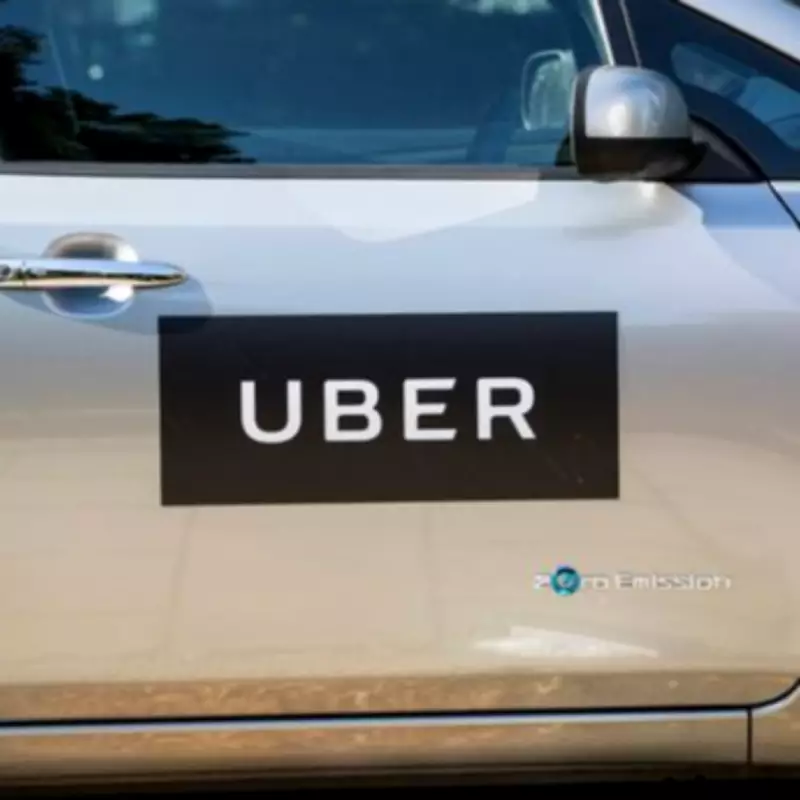
Uber Expands Electric Vehicle Service Across UK While Missing London Target
Uber has announced the expansion of its electric vehicle (EV) service to eight additional UK cities, even as the company revealed it has missed its ambitious target to transition all its London fleet to electric power by the end of 2025. The ride-hailing giant confirmed that passengers in Birmingham, Manchester, Leeds, Sheffield, Edinburgh, Cambridge, Belfast, and Merseyside – including Liverpool – can now request trips in electric vehicles when one is available nearby.
This expansion comes despite Uber failing to achieve its goal of making all London cars electric by 2025, a target the company had previously stated it was "on track" to meet as recently as April 2022. Currently, Uber reports that "over 40%" of miles traveled on its platform in London are completed in electric vehicles, highlighting significant progress but falling short of the complete transition envisioned.
Charging Infrastructure Identified as Primary Barrier
Uber has pointed to limited access to charging infrastructure as the main obstacle preventing faster adoption of electric vehicles among its drivers. Andrew Brem, General Manager for Uber in the UK, emphasized the company's commitment to addressing this challenge. "We're delighted to bring Uber Electric to eight new cities across the UK and offer even more people an emissions-free trip at the same price as an UberX," Brem stated.
"It's clear that electric is better for riders, drivers, and cities, but access to charging is the biggest barrier for drivers thinking about making the switch to electric," he continued. "Uber is helping to unlock more charging infrastructure in the UK, making charging easier and bringing down costs for drivers."
Cost Parity and Infrastructure Initiatives
Notably, Uber has maintained price parity between electric and standard UberX vehicles, meaning journeys in electric cars cost the same as those in conventional vehicles. To support the transition to electric mobility, Uber has introduced several measures aimed at improving charging accessibility for drivers.
These initiatives include discounted home and public charging options, a new advisory service to help drivers determine when and where to charge their vehicles, and financial guarantees regarding chargepoint utilization. These efforts are designed to alleviate concerns about charging availability and costs, which have been significant hurdles for drivers considering the switch to electric vehicles.
Industry Partnerships and Support
Uber's expansion has garnered support from key industry partners. Debbie Foley, Chief Revenue Officer at chargepoint operator Pod, which is collaborating with Uber, commented on the initiative's broader impact. "We are bringing electric living into the mainstream and enabling cleaner transport across UK cities," Foley said, highlighting the partnership's role in promoting sustainable transportation solutions.
Fiona Howarth, Chief Executive of EV leasing company Octopus Electric Vehicles, also praised the move, noting the environmental and economic benefits. "Electric cars lower drivers' running costs and clean up city air – making them a natural fit for places like London, Birmingham, or Leeds," Howarth remarked, underscoring the dual advantages of reduced operational expenses and improved urban air quality.
The expansion of Uber's electric vehicle service represents a significant step toward reducing emissions in urban transportation, even as the company acknowledges the ongoing challenges in achieving complete electrification, particularly in major metropolitan areas like London where infrastructure limitations persist.



