UK Exporters Confront Mounting Costs Amid US Tariff Uncertainty
British exporters and manufacturers are grappling with significant uncertainty and potential cost increases following the implementation of new US tariff measures. The situation has escalated to the point where the UK government has explicitly stated that retaliatory tariffs against the United States remain a possibility under consideration.
Immediate Impact on British Businesses
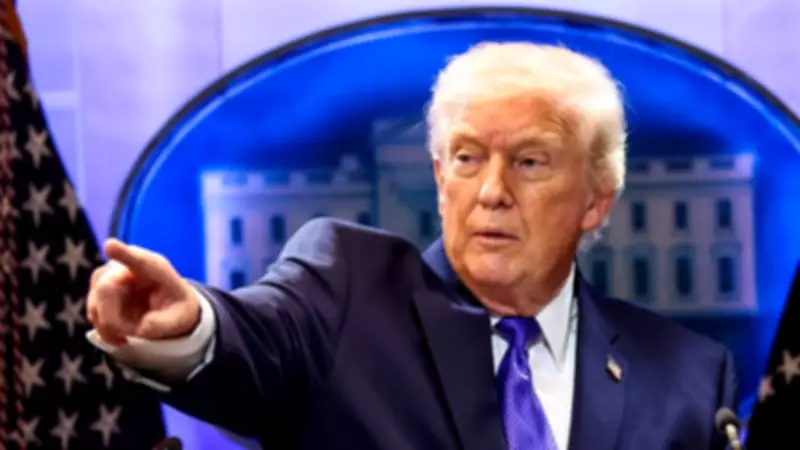
The core issue centers on President Donald Trump's announcement of a temporary 15% tariff on imports from all countries, which took effect early Tuesday morning. This represents a substantial increase from the 10% rate previously announced and exceeds the terms established in the UK-US trade agreement finalized in May.
"UK exporters and manufacturers are now staring down the barrel at higher costs," warned the British Chambers of Commerce in a statement released Monday. The organization further explained that "unless we hear otherwise from the US, we are looking at a further 5% hike for many goods."

Manufacturing trade body Make UK has urgently called for clarity regarding how British exports will be treated upon arrival in American ports. The uncertainty stems from the legal mechanism employed by the US administration—Section 122 of US trade law—which limits such tariff actions to 150 days unless extended by Congressional approval.
Government Response and Diplomatic Efforts
Despite the mounting pressure on businesses, the UK government maintains hope that Washington will honor the preferential trade deal previously negotiated between the two nations. A spokesperson for the Prime Minister confirmed that discussions are occurring "at all levels" with US counterparts.
When questioned about potential retaliatory measures, the spokesperson told journalists that "nothing is off the table," leaving the door open for reciprocal tariffs should the situation not resolve favorably for British interests.
Business Secretary Peter Kyle has been actively engaged in diplomatic efforts, speaking directly with US counterpart Jamieson Greer over the weekend. During their conversation, Kyle emphasized concerns about additional business uncertainty and reinforced the necessity of honoring the existing UK-US agreement.
Broader Global Implications
The tariff developments have created international trade complications extending well beyond UK-US relations. The European Union, representing the world's largest trading bloc, announced Monday that it would pause ratification of its trade deal with Washington in response to the evolving situation.
"Nobody knows what will happen," stated Bernd Lange, chair of the European Parliament's international trade committee. "Clarity and legal certainty are needed before any further steps can be taken."
President Trump further escalated tensions through a social media post warning that countries attempting to "play games" with the Supreme Court decision that struck down his previous tariff policy would face "much higher" tariffs than recently agreed upon.
Market Reactions and Legal Challenges
The tariff uncertainty has triggered significant market volatility, with stock market sell-offs continuing from Friday into Monday. Major European indexes closed lower as their US counterparts also declined.
Simultaneously, legal challenges are emerging. FedEx, the prominent US-based shipping corporation, has announced plans to sue the US government to recover tariff refunds. Meanwhile, Democratic legislators are preparing to introduce legislation that would require US Customs and Border Protection to issue companies refunds with interest for sums paid to import goods under the new tariff regime.
The situation remains fluid, with businesses and governments worldwide awaiting clearer guidance on how the 15% tariff will be implemented and whether existing trade agreements will be honored amidst the policy shift.