
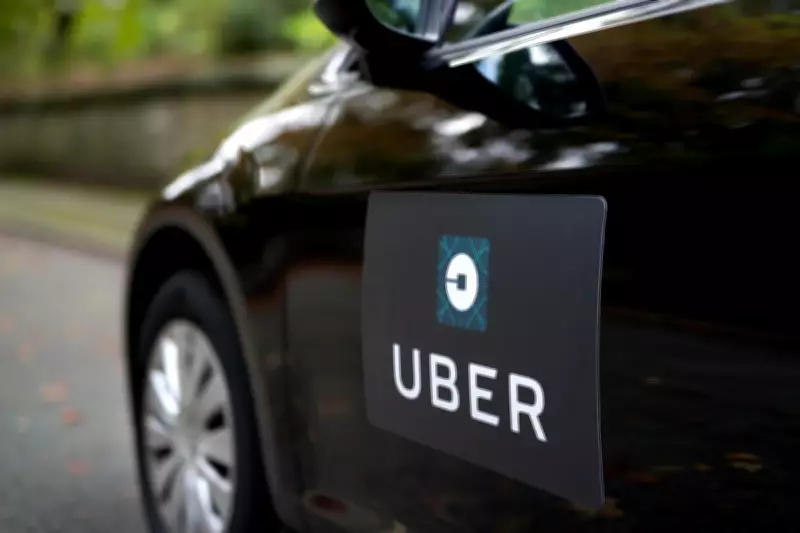
Uber customers in Australia will face an additional fee on their rides from April 15 to June 8, unless they opt for an electric vehicle. The rideshare giant announced a temporary fuel surcharge of 5 cents per kilometer, specifically targeting trips in petrol, diesel, and hybrid vehicles. This measure is designed to help drivers cope with escalating fuel expenses, with all surcharge revenue directed straight to them.
Details of the Surcharge and Exemptions
The surcharge, which runs for nearly two months, will not apply to battery electric vehicle trips. These can be booked through the Uber Electric option, formerly known as Uber Green, which excludes hybrids and non-electric cars. For shared Uber Pool trips, each rider will be responsible for paying their own surcharge individually.
According to Uber, the fee is calculated to cover the increased costs drivers face due to fuel prices, assuming a typical fuel economy of 10 liters per 100 kilometers. This comes as petrol prices have surged, with unleaded petrol nearing 260 cents per liter at its peak in late March, partly influenced by global events like the US-Israel war on Iran.
Industry Context and Comparisons
Uber's move follows similar actions by other companies in the rideshare and delivery sectors. For instance, DiDi, a competitor, implemented its own temporary fuel surcharge on March 18, though it differs by also charging on EV DiDi trips. Meanwhile, meal delivery service DoorDash has offered fuel relief payments to drivers without passing costs to customers, and Uber Eats launched an identical program starting April 6 for two months.
Prior to this surcharge, Uber had already enacted permanent fare increases in March, averaging a 6% rise. These hikes were planned independently of fuel price spikes, according to a spokesperson, and resulted in significant cost variations, such as inner-suburban trips becoming nearly 40% more expensive than outer-suburban ones in some cases.
Reactions and Future Implications
The Transport Workers' Union (TWU) has welcomed Uber's surcharge, noting that rideshare drivers have been struggling with skyrocketing fuel costs. Michael Kaine, the union's national secretary, stated that this action provides meaningful relief and emphasized ongoing negotiations with rideshare companies to secure fair pay and conditions for workers through the Fair Work Commission.
As fuel prices have fluctuated, with unleaded petrol dropping below 220 cents per liter in most cities by the time of the surcharge announcement, the temporary fee highlights the broader challenges in the transportation industry. This development underscores the growing push towards electric vehicles and sustainable alternatives amid economic pressures like the cost-of-living crisis.



