
The Australian electric vehicle landscape is poised for a significant transformation in 2026, with a wave of new models set to arrive, including Mazda's first battery-electric offering. However, industry experts are cautioning that proposed regulatory changes, including a potential road-user charge, could severely hamper the market's rapid growth.
A Flood of New Electric Choices
Australians can anticipate a much broader selection of electric vehicles this year, spanning from record-breaking affordable hatchbacks to high-performance luxury cars and practical utes. This influx is driven by traditional automakers finally embracing the trend and new brands entering the competitive fray.
According to the Electric Vehicle Council, more than 153 electric and plug-in hybrid models were available in 2025, with many more queued for launch. Professor Hussein Dia, a future urban mobility expert at Swinburne University, welcomed the development. "Market forces are going in the right direction," he said. "It's good to have more lower-priced models on the road."
He suggested the introduction of the New Vehicle Efficiency Standard in January 2025 has accelerated manufacturers' plans to avoid penalties for exceeding emissions targets. Sales data supports the shift, with electric, plug-in hybrid, and hybrid vehicle sales all rising while petrol and diesel car sales declined.
Regulatory Storm Clouds on the Horizon
Despite the positive market momentum, two major policy reviews threaten to alter its trajectory. Federal Treasurer Jim Chalmers has announced a review of the fringe benefits tax exemptions for electric cars, a scheme introduced in 2022 which has facilitated the purchase of almost 100,000 EVs.
Concurrently, the federal government is considering implementing a road-user charge for electric vehicles, which currently do not contribute to government revenue via the fuel excise. Professor Dia warned that introducing new charges and removing incentives before EVs reach a critical mass could slow adoption and jeopardise Australia's emissions reduction targets of 62% to 70% by 2035.
"I hope it doesn't end up being just an electric vehicle tax and that it will be an opportunity to revisit the whole taxation system," Dia stated. "We would like it applied to all vehicles." A public consultation on the EV discount is open until 5 February.
The 2026 Electric Line-Up: From Budget to Beast
The coming year will see a diverse range of electric vehicles debut on Australian roads. Key highlights include:
BYD Atto 1 ($23,990): Positioned to be Australia's cheapest EV, this hatchback promises a 220km range and fast-charging capability.
Polestar 5 ($171,000): A luxury sports car rivaling Porsche, with a dual-motor setup capable of accelerating from 0-100km/h in just 3.9 seconds.
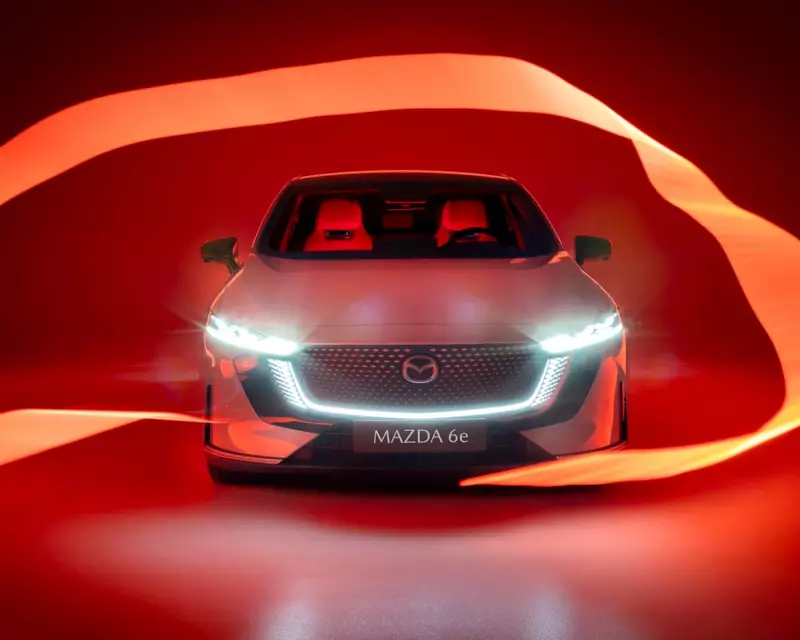
Mazda 6e: The Japanese brand's first mass-market electric vehicle, a sedan with a rear motor and a range exceeding 500km, arriving mid-year.
Toyota HiLux EV: An electric version of Australia's top-selling ute, expected in the first half of 2026 with a price between $90,000 and $100,000.
Other notable arrivals include the Hyundai Elexio SUV, the compact Honda Super-ONE, Kia's PV5 electric van, the Suzuki e-Vitara SUV, the XPeng X9 people-mover, and the Leapmotor B05 hatchback.
This expansion offers consumers unprecedented choice, but the ultimate direction of Australia's EV revolution may hinge more on decisions made in parliament than in car showrooms.



