
Lime E-Bikes Under the Microscope: Safety Audit Reveals Mixed Results
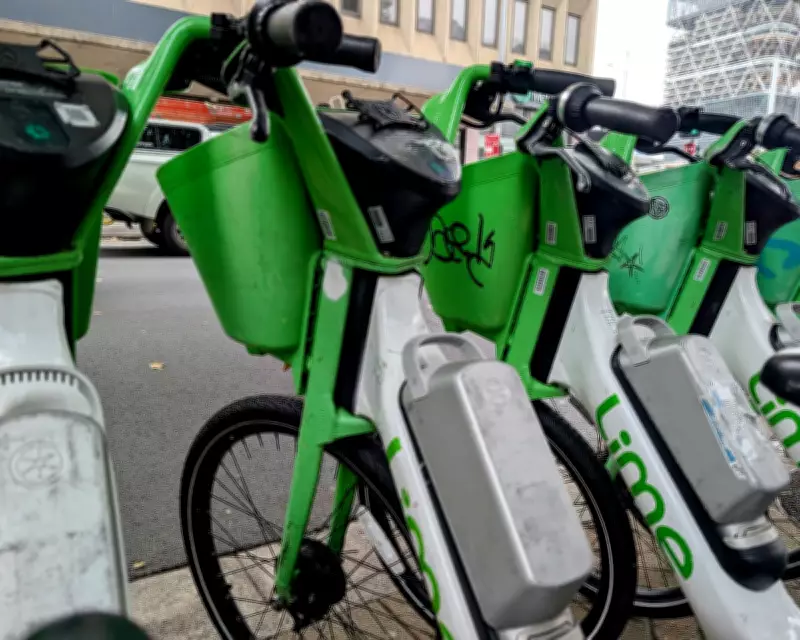
Lime, Australia's largest bike-sharing operator, aims to dominate urban streets with its distinctive green e-bikes, but a recent safety inspection in Sydney has uncovered both reassuring and concerning findings. Guardian Australia conducted a survey of 72 Lime e-bikes in January, accompanied by a professional mechanic, to assess their roadworthiness and safety standards.
Structural Integrity vs. Common Defects
The overall verdict from the inspection is positive: most Lime e-bikes are structurally sound and safe to ride. Amy Webb, a mechanic from Laneway Cyclery, noted that many of the older models, despite showing signs of wear, remain mechanically robust. The newer generation of bikes, launched in Sydney in November, were often in excellent condition, with firm tires, secure parts, and functional brakes.
However, the survey highlighted several recurring issues that could compromise rider safety. Out of the 72 bikes inspected, 25 older models and 12 newer ones were missing helmets, a critical violation of Australian law that mandates helmet use for cyclists. Webb emphasized that riding without a helmet puts users at significant risk, urging them to carry their own if the bike lacks one.
Hazards on Two Wheels: From Broken Spokes to Basket Trash
Beyond missing helmets, the inspection revealed a range of defects. Broken spokes were a notable problem, with one bike having six snapped spokes, which Webb warned could lead to wheel buckling over time. Worn tires were another concern; ten bikes had smooth back tires with deteriorated treads, visible down to the yellow or blue layers underneath. Such tires offer poor grip, especially in wet conditions, increasing the risk of skidding.
Damage from improper handling was also evident. Bikes were found dumped on footpaths, with cracked baskets, broken chains, and dangling lights, creating obstacles for pedestrians, particularly those with wheelchairs or prams. Basket trash, including items like dog waste, condoms, and coffee cups, posed additional hazards. Webb cautioned that debris from broken baskets could fall into front tires, causing unexpected accidents.
Other issues included loose wheel guards on nine bikes, which could wear down tires or wedge wheels, and bent helmet holders. Despite Lime's claims of routine inspections and immediate removal of faulty bikes, some defective units were still found neatly arranged in racks, suggesting gaps in maintenance protocols.
Safety in Context: Rising E-Bike Popularity and Regulatory Responses
The safety audit comes amid growing concerns about e-bike risks as their popularity surges. In New South Wales, e-bikes were involved in five deaths and 250 injuries in the first eight months of 2025, prompting government action. The NSW government has introduced a clutter levy to address poor parking and reduced the power limit from 500 to 250 watts to enhance safety.
Lime reports that over 99% of its trips are incident-free, but local government data provides a nuanced picture. In Melbourne, Port Philip, and Yarra council areas in 2025, Lime bikes were involved in two hospitalizations and 21 minor incidents out of 900,000 rides. Brisbane recorded 33 hospital admissions and 134 minor incidents from 3 million trips in the 2024-25 financial year.
Lime's Commitment and Challenges
Will Peters, Lime's Asia Pacific head, acknowledged the issues, attributing some damage to irresponsible riders and vandalism. He stated that the company is working to improve safety by increasing fines for missing helmets and enforcing designated parking spots to reduce clutter. Peters expressed a goal to win over critics, saying, "I want the person who hated us to love us."
Despite these efforts, the inspection underscores the need for ongoing vigilance. Riders are advised to perform quick checks before use, looking for missing helmets, worn tires, broken spokes, and other defects. As Lime expands into more cities, balancing growth with safety will be crucial to maintaining public trust and compliance with evolving regulations.



