
West London Council's Contradictory Vehicle Strategy Unveiled
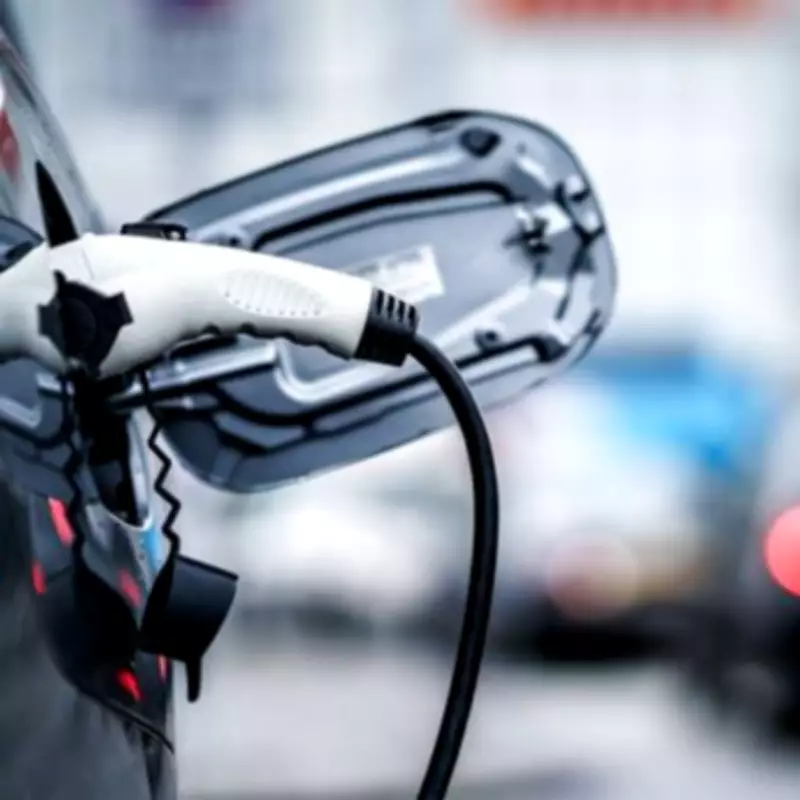
In a striking paradox of environmental policy, Hillingdon Council in West London has announced plans to deploy more than 1,600 new electric vehicle (EV) charging points across the borough while simultaneously purchasing a fleet of 32 diesel-powered vehicles for its own operations. This dual approach highlights the complex challenges local authorities face in balancing green ambitions with practical infrastructure limitations.
Major EV Charger Rollout Funded by Government Grant
The council has secured a £1.25 million share of a £7.5 million government grant from the Local Electric Vehicle Infrastructure Fund (LEVI), in partnership with neighboring boroughs including Brent, Ealing, Hammersmith & Fulham, Haringey, and Harrow. This funding will be used to procure an external operator to install and manage up to 1,673 EV charging stations over a minimum period of three years.
To minimize street clutter and integrate seamlessly into the urban landscape, the majority of these standard overnight chargers will be attached to existing lampposts wherever feasible. Council documents emphasize that this extensive rollout is crucial to meet commitments to carbon reduction, improve air quality, and address the rising demand for EV infrastructure among residents.
Diesel Fleet Purchase Blamed on Infrastructure Deficiencies
Despite this forward-looking initiative for the public, Hillingdon Council is grappling with significant hurdles in electrifying its own vehicle fleet. The council currently operates 26 frontline service vehicles that are in their 11th year of service, suffering from reliability issues and incurring daily Ultra Low Emission Zone (ULEZ) fees. In response, the authority plans to replace these ageing vehicles with 32 new diesel models.
A council report explicitly attributes this decision to infrastructure problems, citing a severe lack of charging facilities and insufficient grid capacity at the council's own facilities, particularly the Harlington Road depot. The report warns that "major investment will be needed in electrical power supply to the Harlington Road depot to support future growth in the electrical vehicle fleet", indicating that a transition to electric vehicles for frontline services is not currently viable.
Driver Tracking System Implemented to Reduce Costs and Accidents
In a parallel move to curb operational expenses, Hillingdon Council will install tracking devices across its entire vehicle fleet by the end of this year. This decision comes in response to driver accident damage costing taxpayers over £800,000 annually, with approximately 80% of these incidents occurring in waste and street cleaning operations.
The enforced trackers will monitor driving habits such as:
- Harsh braking
- Fast cornering
- Excessive acceleration
- Speeding
Data collected will be used to create a performance score for each driver, which will then facilitate "regular discussions with poor performing individuals" aimed at improving driving habits. With the fleet consuming £1 million in fuel annually, the council anticipates that promoting more efficient driving will also lead to reduced fuel consumption and lower costs.
Broader Implications for Local Government Sustainability
This scenario underscores the broader tensions faced by local authorities striving to meet environmental targets while managing finite resources and infrastructure constraints. Hillingdon Council's approach reflects a pragmatic, albeit contradictory, strategy: advancing public EV accessibility while deferring its own fleet electrification due to technical and financial barriers.
The council's efforts to enhance driver efficiency through tracking represent an attempt to mitigate immediate financial pressures, even as it navigates the longer-term transition toward sustainable transport. As West London streets prepare for a visible transformation with new charging points, the council's diesel fleet will remain a reminder of the ongoing challenges in achieving comprehensive green policies.



