
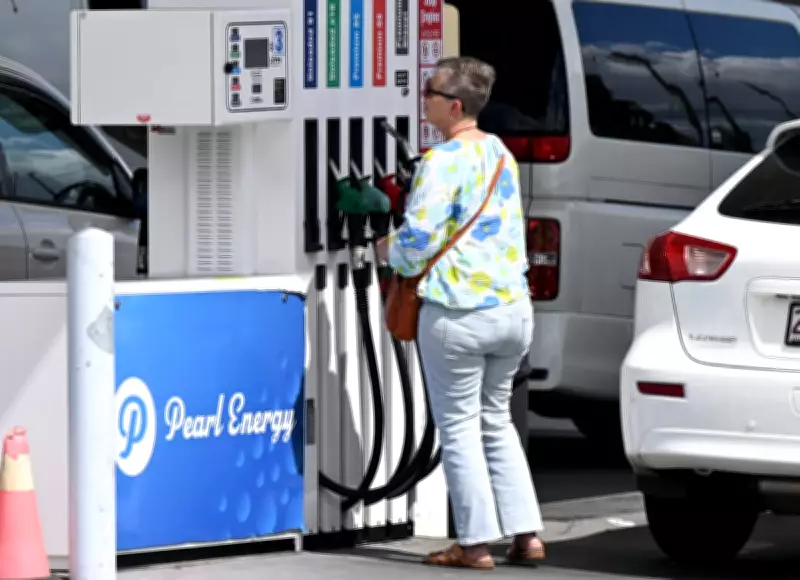
In the midst of a global fossil fuel crisis, the call for clean energy has never been more urgent. As petrol prices fluctuate and supply shocks ripple through economies, the renewable energy industry stands at a pivotal crossroads. This is not just an environmental imperative but a critical economic opportunity that demands immediate and decisive action.
The Open Lane for Clean Energy
Every additional electric vehicle on Australian roads translates directly into litres of petrol saved, while each home battery installed reduces gas consumption and fortifies the electricity grid. The narrative must shift from preaching to the converted to engaging mainstream communities with compelling economic arguments. The fossil fuel sector has long employed deceptive tactics, akin to those of big tobacco, to manipulate public opinion and policy. A recent Senate inquiry has uncovered extensive evidence of fake social media accounts and misleading advertising designed to distort perceptions of renewable energy.
Seizing the Narrative
Now is the moment for clean energy advocates to break free from industry echo chambers and step into the spotlight. This involves advertising widely, engaging with mainstream media, and leveraging digital platforms to disseminate marketable facts. Community organisations and events should become focal points for building grassroots support. Even the billboards at Canberra airport, which often promote fossil fuel interests, should be reclaimed to broadcast the tangible benefits of renewables.
Speaking collectively and urgently is essential before the window of opportunity closes. As global events like the Ukraine war and the COVID-19 pandemic have highlighted, Australia's economic vulnerability to supply shocks is stark. Yet, there has been no sustained policy response to address energy insecurity. This inflection point offers a chance to accelerate a systematic shift toward renewable sources, ensuring long-term stability.
Economic and Security Benefits
Renewable energy projects are projected to inject $68 billion into the Australian economy over the next five years, even before considering recent global tensions. As social researcher Rebecca Huntley notes, arguments framed around financial benefits and risks resonate more deeply with the public than those based solely on environmental concern. This shift is driven by a desire for economic stability rather than moral imperatives.
Internationally, countries like Germany are boosting onshore wind energy, viewing it as a security policy to reduce dependence on foreign powers. The UK government has mandated rooftop solar and heat pumps for new homes from 2028, with plans for balcony solar in apartments. Australian cities, such as Brisbane and Perth, receive more than double the sunlight of London, underscoring the nation's untapped potential.
The Path Forward
Clean energy cannot be blockaded or weaponized, as UN Secretary-General António Guterres emphasizes: "There are no price spikes for sunlight and no embargos on the wind." The sector must move beyond frustration and seize this Steven Bradbury moment—where others falter, renewables can surge ahead. Improvisation is no longer sufficient; a deliberate, accelerated transition is needed to safeguard against future crises.
By embracing this opportunity, Australia can lead in creating a resilient and prosperous energy future. The time for action is now, and the clean energy industry must rise to the challenge with cohesion and urgency.



