Single-Use Vape Ban: A Comprehensive Analysis of Health and Environmental Outcomes
The implementation of the single-use vape ban has sparked widespread debate and analysis regarding its tangible effects on both public health and the environment. This policy, aimed at curbing the proliferation of disposable vaping devices, has yielded a complex array of results that merit detailed examination.
Health Implications: A Mixed Picture
On the health front, the ban has shown some positive signs, though challenges persist. Public health officials report a noticeable decline in the availability of single-use vapes, which are often criticized for their high nicotine content and appeal to younger demographics. This reduction has potentially contributed to a decrease in new vaping initiations among teenagers, as these products were frequently marketed with enticing flavors and sleek designs.
However, experts caution that the ban alone may not fully address underlying addiction issues. Many former users of single-use vapes have transitioned to refillable or alternative nicotine products, which can still pose health risks. Additionally, there are concerns about the rise of black market sales, where unregulated devices might bypass safety standards, potentially leading to adverse health outcomes. Ongoing monitoring is essential to assess long-term impacts on respiratory health and nicotine dependency rates.

Environmental Effects: Progress Amidst Persistent Problems
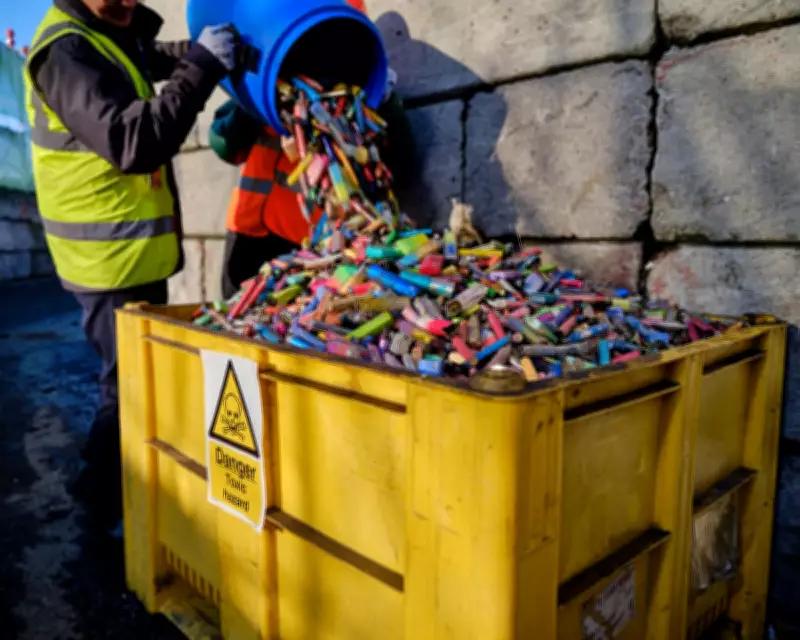
Environmentally, the ban has made strides in reducing waste, but significant hurdles remain. Single-use vapes were notorious for contributing to electronic waste, with millions of devices discarded annually, often ending up in landfills or littering public spaces. Since the ban, there has been a measurable drop in the volume of such waste, aligning with broader sustainability goals.
Yet, environmental advocates highlight that the disposal of existing stockpiles and the shift to other vaping products continue to pose ecological challenges. Refillable vapes, while reusable, still generate waste from components like coils and e-liquid containers. Moreover, the production and recycling processes for these alternatives are not without environmental costs. Efforts to improve recycling infrastructure and promote eco-friendly designs are ongoing, but the ban's full environmental benefits may take time to materialize.
Policy and Public Response: Navigating Implementation
The rollout of the ban has been met with varied responses from stakeholders. Government agencies emphasize compliance and enforcement as key to success, with initiatives to educate the public and retailers about the new regulations. Surveys indicate that a majority of citizens support the ban, citing health and environmental concerns as primary motivators.
Conversely, some industry groups and consumers have expressed frustration over the economic impact and limited alternatives. Small businesses that relied on vape sales have faced revenue losses, while users argue that the ban restricts personal choice without providing adequate support for quitting nicotine. Policymakers are now considering supplementary measures, such as enhanced smoking cessation programs and incentives for sustainable product development, to address these gaps.
Future Outlook: Lessons and Next Steps
Looking ahead, the single-use vape ban serves as a case study in balancing public health objectives with environmental sustainability. Key lessons include the need for holistic approaches that combine regulation with education and support systems. Early data suggests that while the ban has reduced immediate harms, its effectiveness hinges on continuous adaptation and cross-sector collaboration.
In conclusion, the ban has made a difference by curbing the prevalence of single-use vapes, but its impact on health and the environment is nuanced. Ongoing research and policy refinements will be crucial to maximize benefits and mitigate unintended consequences in the years to come.