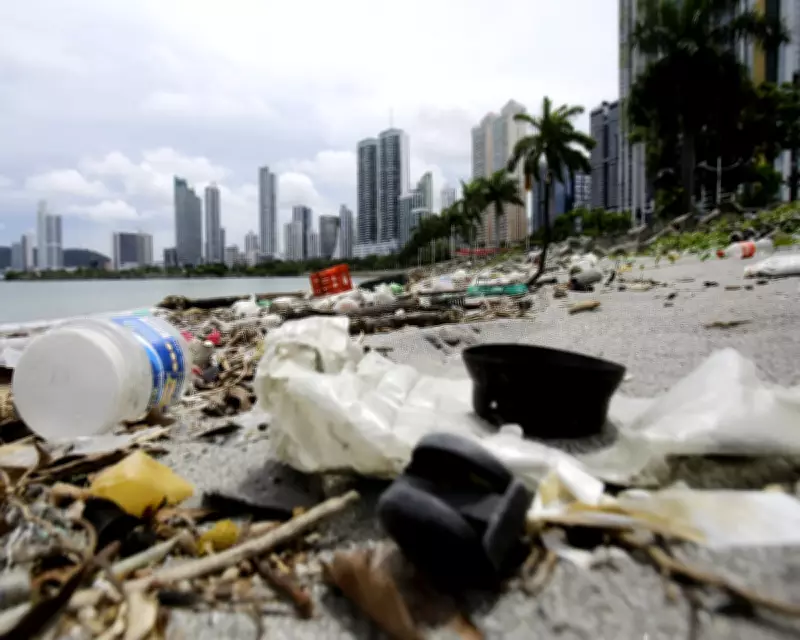
A comprehensive global study has identified plastic food wrappers, bottles, lids, and caps as the most prevalent items of litter on the world's shorelines. Researchers analyzed data from over 5,300 coastal litter surveys, drawing from 355 existing studies to produce the first global analysis of its kind.
Ubiquitous Single-Use Plastics
Dr. Richard Thompson, founder of the University of Plymouth's international marine litter research unit, noted that these everyday items dominate coastlines even in countries with advanced waste management systems. He expressed surprise at the consistent presence of single-use plastics across all seven continents.
The study, published in the journal One Earth, examined data from hundreds of sources, focusing on surveys with similar methodologies. The researchers had high confidence in figures for each country based on the number of studies available and other factors. The data covered 94 countries, with estimates extended to an additional 18 nations.

Regional Variations and Policy Challenges
Food and drink-related plastics appeared in coastal litter in 93% of the countries studied, surpassing all other litter types. Plastic bags were found in 39% of countries, and cigarette butts in 38%. Regional variations existed, with plastic bags particularly prevalent in Asia. Notably, the study found that plastic bag bans did not always correlate with reduced waste, likely due to poor enforcement or waste exports from other nations.
The analysis excluded microplastics and unidentifiable plastics, but the authors noted these often originate from larger, identifiable items.
International Treaty Efforts Stalled
Efforts to establish a global treaty on plastic pollution face uncertainty. The chair of treaty talks resigned in October amid allegations of pressure from the UN Environment Programme, which oversees the negotiations. Norway, the programme's largest donor, is reviewing its funding. The next round of discussions may be delayed until late 2026 or 2027.
Dr. Thompson emphasized that policymakers should ensure plastics are used only for essential purposes and promote refillable food and drink containers. He believes the study's global overview can guide mitigation efforts.
Professor Tamara Galloway, an ecotoxicologist at the University of Exeter not involved in the study, suggested reframing plastic waste as 'plastic-lost-value' to better engage policymakers. She highlighted the irony of discarding a highly valuable material, urging a shift in economic models away from disposability.