Global Efforts Struggle to Curb Rising Plastic Production, Experts Warn
Environmental experts and policymakers are raising alarms as global initiatives to tackle the growth in plastic production appear to be losing ground. Despite widespread public awareness and international agreements, the production of plastic continues to increase at an alarming rate, posing severe threats to ecosystems and human health worldwide.
Systemic Challenges in Plastic Reduction
The fight against plastic proliferation is hampered by a complex web of economic, industrial, and political factors. Key challenges include:
- Economic Dependencies: Many economies rely heavily on plastic manufacturing for jobs and revenue, making reductions politically difficult.
- Industrial Resistance: Powerful lobbying groups from the petrochemical and packaging industries often oppose stringent regulations.
- Inadequate Policies: Existing laws in many countries lack the teeth to enforce meaningful cuts in production, focusing instead on recycling and waste management.
These systemic issues have led to a situation where, despite growing environmental concerns, plastic output is projected to rise significantly over the next decade.

Environmental and Health Impacts
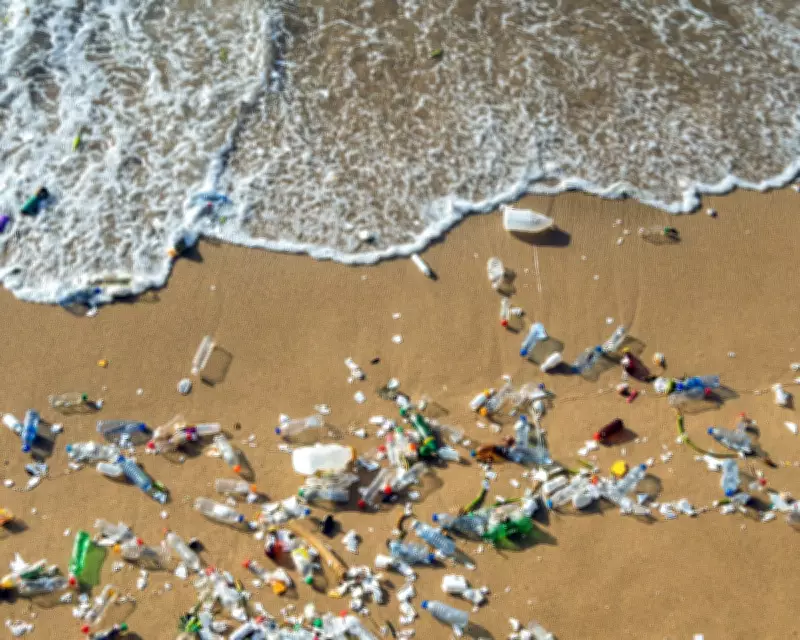
The unchecked growth in plastic production has dire consequences. Plastic pollution contaminates oceans, rivers, and land, harming wildlife through ingestion and entanglement. Microplastics have infiltrated food chains, with studies linking them to potential health risks in humans, including inflammation and toxicity. Moreover, the production process itself contributes to greenhouse gas emissions, exacerbating climate change.
Environmentalists argue that current efforts, such as bans on single-use items, are insufficient without addressing the root cause: the sheer volume of plastic being manufactured. They emphasize that recycling alone cannot solve the problem, as only a small fraction of plastic waste is effectively recycled globally.
Calls for Stronger Global Action
In response to these challenges, there is a growing chorus for more robust international action. Proposals include:
- Binding Production Caps: Implementing legally binding limits on plastic production at a global level, similar to climate agreements.
- Economic Incentives: Shifting subsidies from fossil fuel-based plastics to sustainable alternatives, such as bioplastics or reusable materials.
- Enhanced Corporate Accountability: Holding manufacturers responsible for the entire lifecycle of their products, from production to disposal.
Experts stress that without coordinated and decisive measures, the battle against plastic growth will continue to be an uphill struggle, with long-term environmental damage becoming increasingly irreversible.