
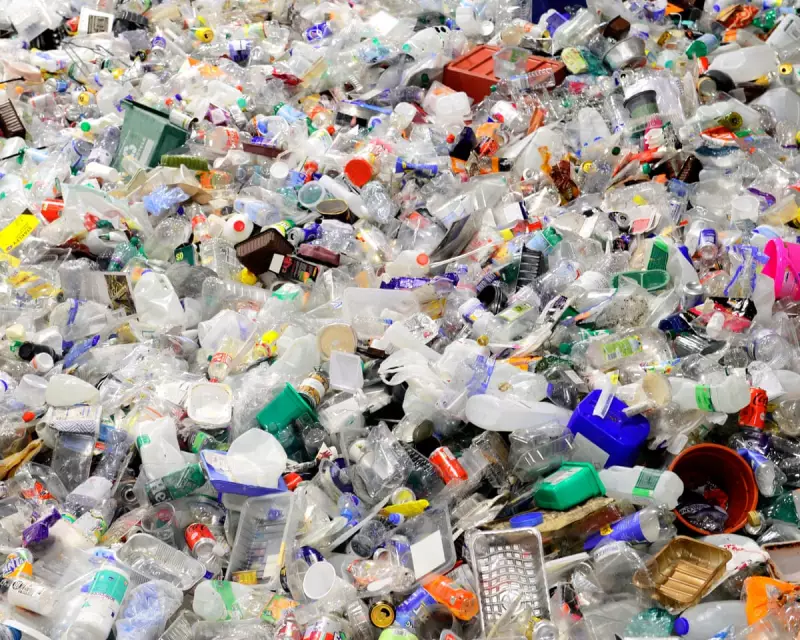
UK Missing Out on Economic Boom by Exporting Plastic Waste
A groundbreaking report has revealed that the United Kingdom could generate 5,400 new jobs and attract over £800 million in private investment by stopping its reliance on exporting plastic waste by 2030. The analysis from Hybrid Economics highlights a significant economic opportunity being missed as Britain continues to ship its plastic problems overseas.
The Export Problem and Economic Potential
The UK's plastic waste exports actually increased by 5% in 2024, reaching nearly 600,000 tonnes of waste sent abroad. This practice not only creates environmental problems for receiving countries like Indonesia, which has taken 24,000 tonnes already this year, but also removes valuable feedstock from the British recycling industry.
According to the report, ending this export dependency would enable the construction of up to 15 new recycling facilities by the end of the decade. This expanded capacity would generate approximately £900 million of economic value annually while providing at least £100 million in new tax revenues each year to the Treasury.
Campaigners Call for Policy Changes
Campaigners are demanding the closure of a loophole that currently makes it cheaper to export plastic waste rather than recycle it domestically. The current system of payments actively incentivises shipping waste abroad instead of keeping it in the UK for recycling.
Neville Hill, partner at Hybrid Economics which produced the report, stated: "Ending exports of unprocessed plastic packaging waste by 2030 would allow the UK to take control of its environmental responsibilities and seize a clear economic opportunity. Our analysis shows the sector can expand significantly with no call on public funds, provided government sets the right framework."
The report calls for specific policy measures including increasing the plastic packaging tax - currently imposed on producers who fail to include at least 30% recycled plastic in their products - to 50%, and implementing a total phase-out of exports of unprocessed plastic packaging waste.
Existing Recycling Success Stories
James McLeary, managing director of Biffa Polymers which commissioned the report, highlighted that his company has recycled 10 billion plastic HDPE milk bottles over the past two decades. He described this achievement as a circular economy success story that could be replicated across all plastic packaging.
"The lesson is simple," McLeary explained. "When the right conditions are in place, UK recycling grows, investment follows and the environmental and economic benefits build year after year. The UK can replicate that success across all plastic packaging and take responsibility for processing its own waste onshore."
The Guardian recently revealed the scale of the challenge, reporting that 21 plastic recycling and processing factories across the UK have shut down in the past two years due to export volumes, cheap virgin plastic prices, and competition from cheap Asian imports.



