Underbool's Lifeline: A Decade-Long Fight to Save a Vital Community Pool
In the remote Victorian Mallee town of Underbool, where summer temperatures frequently soar above 45 degrees Celsius, a small community has waged a ten-year battle to preserve its sole swimming facility. With just 220 residents, this town, closer to Adelaide than Melbourne and 150 kilometers from the nearest regional center, Mildura, relies heavily on its pool as a critical amenity amidst limited local services.
A Community Hub in the Heart of the Wheatbelt
From November through March, Underbool's swimming pool transforms into a bustling community center. Children learn essential swimming skills here, teenagers spend school holidays socializing, adults engage in lap swimming, and older individuals utilize the pool for water-based exercise and physiotherapy. The pool also hosts events like birthday parties, Christmas celebrations, and barbecues, fostering social cohesion. Remarkably, data indicates that Underbool residents use their pool at a rate more than triple the national average, underscoring its importance.
For Sonia McVicar, who moved to Underbool two decades ago to farm sheep, wheat, and barley, the pool quickly became a sanctuary. "You can get 45, 46 degrees over summer for consecutive days," she explains, noting that during harvest periods, the pool provided relief for families while men worked long hours on farms. However, McVicar soon discovered the pool was in dire condition, plagued by leaks, outdated filters, and accessibility issues, prompting her to initiate a campaign for upgrades.

The National Crisis of Ageing Swimming Infrastructure
Underbool's pool, like many across regional Australia, was constructed in the 1960s and 1970s following the 1956 Melbourne Olympics. Today, these facilities are deteriorating rapidly. Royal Life Saving Australia warns that an estimated $8 billion is needed to repair or replace 500 public pools reaching the end of their functional lifespan by 2030. Local councils, especially in remote areas, struggle with funding, putting pools at risk of closure.
This issue is particularly acute in rural regions, where alternative swimming spots like lakes and dams are often unreliable due to toxic algal blooms exacerbated by climate change. Goulburn-Murray Water has issued numerous blue-green algae warnings, highlighting the dangers. Pools remain the safest venues for swimming lessons and water safety programs, crucial in a country where drowning deaths have risen by 27% over the past decade, with rural residents at higher risk.
Water Safety and Community Advocacy
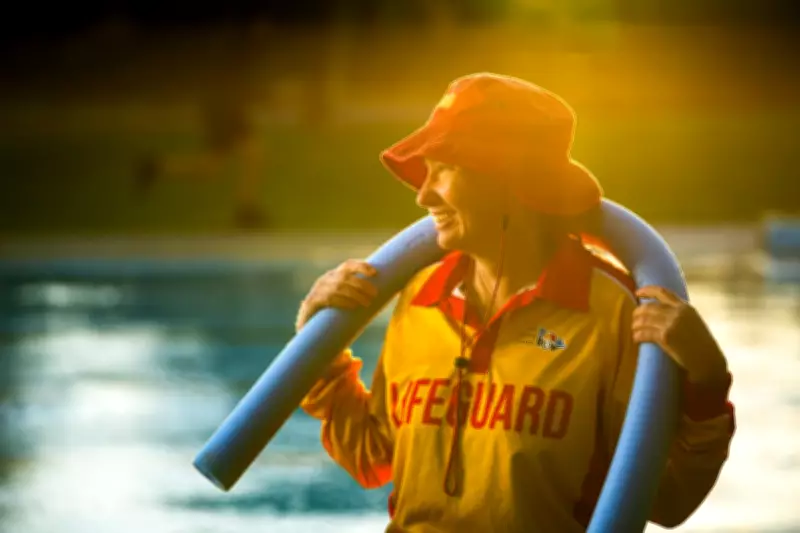
Underbool takes water safety seriously, offering regular lessons and classes, with local teacher Maureen Wandel receiving an Order of Australia in 2019. Lifeguard Joanna Morrison, who has served for ten years, emphasizes the pool's role in preparing families for beach and river holidays. "Without it, you're just behind the eight ball," she says, stressing the importance of survival skills.
To restore the pool, $3 million was needed. McVicar spearheaded a grassroots campaign, garnering overwhelming support from residents, including schoolchildren who wrote letters and drew pictures. This effort convinced Mildura City Council of the pool's value, leading to a state government commitment of $1.16 million through the Regional Community Sports Infrastructure Fund, with the council contributing $1.7 million.
A Victory for Rural Resilience
Mildura deputy mayor Helen Healy acknowledges the significance of this investment for a small town, noting that the pool would likely have closed without intervention. "This community is fully deserving of this," she states, highlighting the lack of negative feedback. Restoration works are scheduled to begin after the winter closure, taking two years but avoiding summer disruptions to ensure continuous access.
Underbool's success story exemplifies how determined communities can secure essential infrastructure, preserving not just a swimming pool but a vital lifeline for health, safety, and social connection in remote Australia.