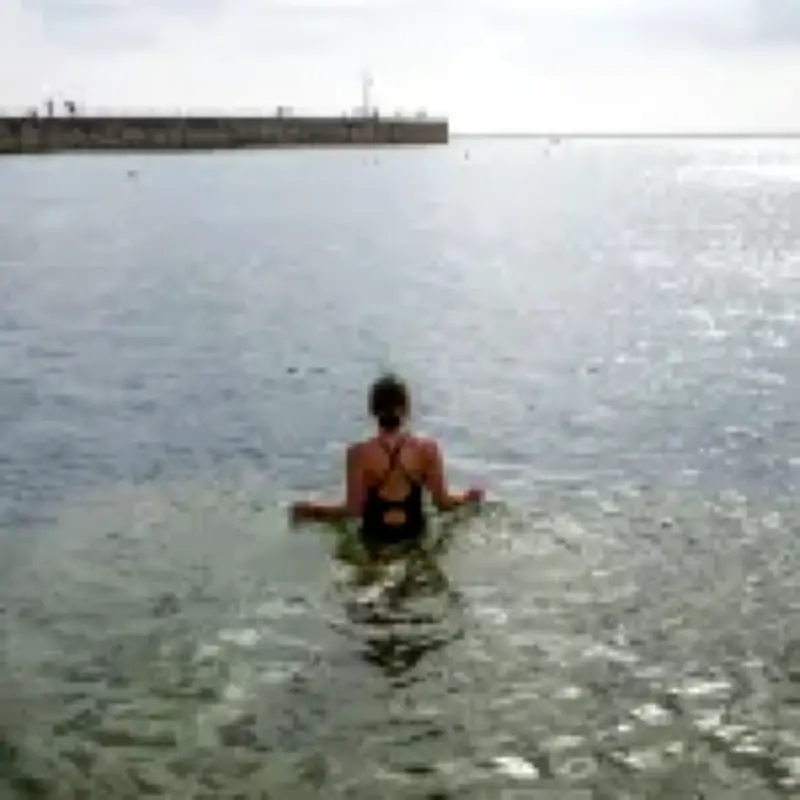
The phrase 'shivery bite' refers to a Scottish seaside tradition of eating a sweet treat immediately after a cold swim. The custom, which dates back over 100 years, involves consuming a mouthful of food after a dip in freezing sea water to help reduce shivering.
Origins of the tradition
The earliest known Scottish text referencing the ritual was published in 1890. Author Andrew J. Armstrong used the phrase 'shiverin'-bites-a-dinin' in his book Ingleside Musings: Tales Told in Rhyme, and the meaning has remained consistent ever since.
According to the original report, a shivery bite is defined as a mouthful of food taken after a cold bath or sea dip to minimise chilly shivers. With Scottish sea temperatures typically around 12°C, emerging from the water without shivering is nearly impossible.

Modern practice and popularity
One of the first occasions a Scot might enjoy a shivery bite is during The Loony Dook, an annual New Year's Day tradition where participants plunge into freezing water. Beyond this festival, cold water swimming has become part of many Brits' daily routines, driven by growing interest in wellness.
According to Swim England, over a million people regularly swim outdoors. Enthusiasts cite potential physical benefits including improved circulation, a strengthened immune response, and reduced inflammation in muscles and joints.
What makes the perfect shivery bite?
Research by Walker's Shortbread found that while over a third of Brits enjoy 20-30 minute paddles at the beach, hardly anyone has heard of the tradition. The choice of snack is entirely personal, ranging from chocolate bars and crisps to Haribo sweets or premium olives.
The report suggests any food works as a shivery bite, with the key being to eat something immediately after exiting cold water to help warm the body and lift spirits.