London Officially Named UK's Second Greenest City
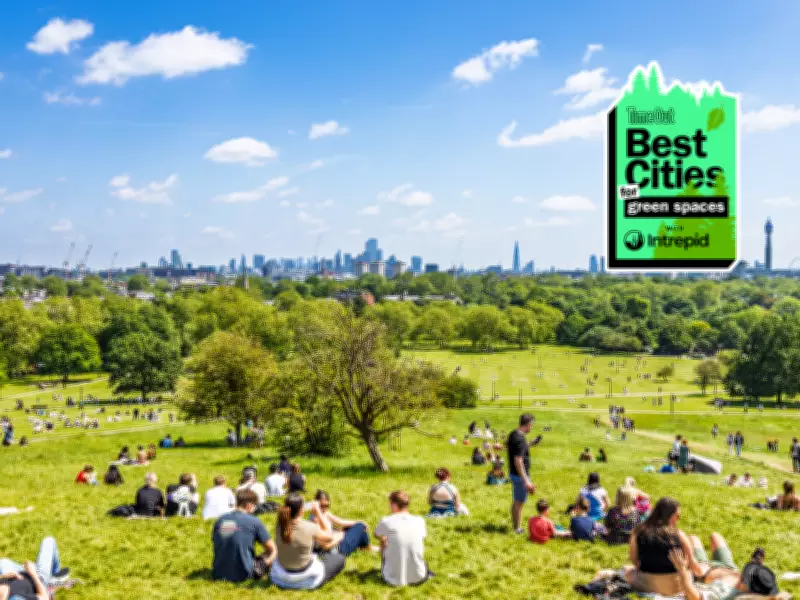
It is now official: London has secured the position as the second greenest city in the United Kingdom, according to a comprehensive global survey conducted by Time Out in partnership with Intrepid Travel for their 2026 Best Cities ranking. The capital city received this prestigious recognition based on feedback from more than 24,000 urban residents worldwide who evaluated the accessibility and quality of nature and green spaces in their hometowns.
The Surprising Scale of London's Green Infrastructure
While cities are typically celebrated for their architectural marvels, bustling commercial districts, and vibrant cultural scenes, London demonstrates that urban environments can successfully integrate substantial natural elements. The survey results reveal that Bath claimed the top spot as both the UK's and world's greenest city, but London's impressive second-place finish highlights its remarkable commitment to green urban planning.
London's landscape consists of approximately 21 percent tree coverage, a figure that exceeds the United Nations' 20 percent threshold required for an area to qualify as a forest. This remarkable statistic means that London technically represents the largest urban forest on the planet, transforming the traditional image of the "Big Smoke" into something far more verdant.

A Capital City Bursting with Green Spaces
The sheer volume of green areas across London is staggering, with an estimated 3,000 parks and public green spaces distributed throughout the metropolitan area. These range from meticulously maintained formal gardens to expansive wild heaths, ensuring that nature remains accessible to all residents regardless of their location within the city.
In North London, residents and visitors can enjoy the pristine beauty of Regent's Park alongside the more rugged terrain of Hampstead Heath, complete with its beloved natural swimming ponds. Southeast London offers the historic Greenwich Park, while Southwest London features the expansive Wimbledon Common. East London's Victoria Park remains a firm favorite among locals, and West London counters with beautiful green expanses including Holland Park and Battersea Park.
London's Largest Green Sanctuaries
The capital's most substantial green spaces demonstrate truly impressive scale. Epping Forest, located at the eastern terminus of the Central Line, spans approximately 6,000 acres of protected woodland. Meanwhile, Richmond Park in Southwest London covers about 2,500 acres, providing sanctuary for diverse wildlife including its famous deer population.
Even within London's busiest and most chaotic urban centers, peaceful pockets of nature offer respite from city life. Notable examples include the Phoenix Garden in Soho and the Dalston Eastern Curve Garden, proving that residents don't need to venture beyond central zones to find green tranquility.
The Scientific Benefits of Urban Green Spaces
These green areas serve far more than aesthetic purposes. Scientific research consistently demonstrates that access to nature and green spaces significantly reduces stress levels, improves mental health outcomes, and encourages better physical health through increased outdoor activity. London's extensive network of parks and green spaces therefore represents a critical component of public health infrastructure, providing essential breathing room within one of the world's most dynamic metropolitan areas.
The Time Out survey methodology involved gathering perspectives from city-dwellers across the globe, with participants evaluating how easily they could access nature within their urban environments. London's strong performance in these rankings reflects both the quantity and quality of its green infrastructure, confirming what many residents have long appreciated about their city's unique balance between urban intensity and natural sanctuary.