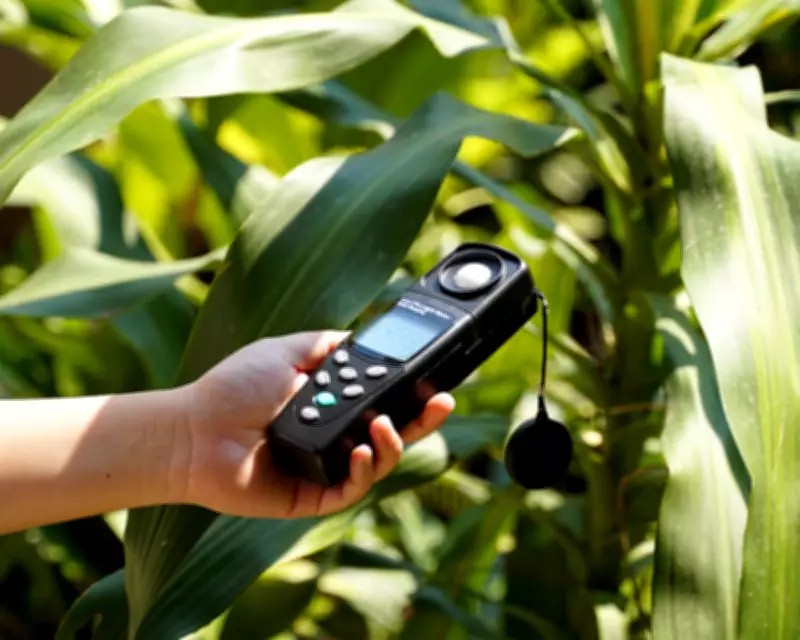
Houseplant Hacks: Are Light Meters Truly Helpful or Just a Trend?
In the world of indoor gardening, houseplant enthusiasts are constantly seeking new tools and techniques to ensure their green companions thrive. Among the latest trends, light meters have emerged as a popular gadget, promising to measure light levels with precision. But are these devices genuinely useful for plant care, or are they merely another fad in the ever-evolving hobby of houseplant cultivation?
Understanding Light Meters and Their Function
Light meters, also known as lux meters, are designed to quantify the intensity of light in a given area, typically measured in lux or foot-candles. For houseplants, proper lighting is crucial, as it directly impacts photosynthesis, growth, and overall health. Proponents argue that light meters provide an objective way to assess whether plants are receiving adequate light, helping to prevent issues like leggy growth or leaf drop due to insufficient illumination.
However, critics point out that light meters may not always account for the full spectrum of light that plants need, such as specific wavelengths like blue and red light, which are essential for different growth stages. Additionally, these devices can be sensitive to factors like angle and distance from the light source, potentially leading to inaccurate readings if not used correctly.

Practicality and Accuracy in Everyday Use
When it comes to practicality, light meters offer a hands-on approach to monitoring light conditions. They can be particularly beneficial for beginners who are unsure about their home's lighting or for those dealing with finicky plants that require specific light levels. By using a light meter, gardeners can make informed decisions about plant placement, such as moving a sun-loving succulent closer to a window or relocating a shade-tolerant fern to a dimmer spot.
Despite these advantages, some experts question the necessity of light meters for the average houseplant owner. Many plants are adaptable and can thrive in a range of light conditions, relying on natural cues like seasonal changes. Moreover, alternative methods, such as observing plant behavior—like leaf color or growth patterns—can often provide sufficient guidance without the need for specialized equipment.
Alternatives to Light Meters for Optimal Plant Care
For those hesitant to invest in a light meter, there are several effective alternatives to ensure houseplants receive adequate light. One simple approach is to use the hand shadow test: hold your hand about a foot above the plant during the brightest part of the day; a sharp, defined shadow indicates bright light, while a fuzzy shadow suggests lower light levels.
Other strategies include:
- Rotating plants regularly to ensure even light exposure on all sides.
- Utilizing reflective surfaces, such as mirrors or white walls, to bounce light onto plants in darker corners.
- Choosing plants suited to your home's natural light conditions, reducing the need for precise measurements.
Additionally, advancements in smart technology have led to apps and devices that can estimate light levels using smartphone cameras, though their accuracy may vary compared to dedicated light meters.
Conclusion: Balancing Technology with Traditional Gardening Wisdom
In conclusion, light meters can be a valuable tool for houseplant care, especially for those dealing with sensitive species or challenging lighting environments. They provide a scientific basis for decisions that might otherwise rely on guesswork. However, they are not essential for every gardener, and many plants will flourish with more traditional, observation-based methods.
Ultimately, whether light meters are handy or hopeless depends on individual needs and preferences. For some, they offer peace of mind and enhanced control over plant health; for others, they may seem like an unnecessary complication. As with any gardening hack, the key is to find a balance that works for you and your plants, combining modern tools with time-tested practices for a thriving indoor garden.