Four-Year Toilet Closure at Green Flag Park Sparks Accessibility Crisis in North London
This summer will mark a disheartening milestone for a North London community: four full years since public toilets were permanently closed at Roundwood Park in Harlesden, a Green Flag-awarded green space. The facilities were shut down in 2022 following repeated incidents of vandalism and antisocial behaviour that made maintenance financially unsustainable for Brent Council.
Council Promises Solutions Amid Financial Constraints
Brent Council has stated it is working toward "a constructive solution" to restore toilet access at Roundwood Park. However, local campaigners remain sceptical, fearing a workable resolution is "unlikely to become a reality" in the near future. The council acknowledges being limited by "very real financial constraints" while attempting to design facilities that can withstand vandalism.
At a Full Council meeting in November, Cabinet Member for Environment and Enforcement, Councillor Krupa Sheth, emphasised that finding a solution was a priority to make the park "as accessible as possible to as many people as possible." Yet she pointed to ongoing financial pressures and funding cuts as significant barriers to progress.

Residents Describe Profound Impact on Daily Life
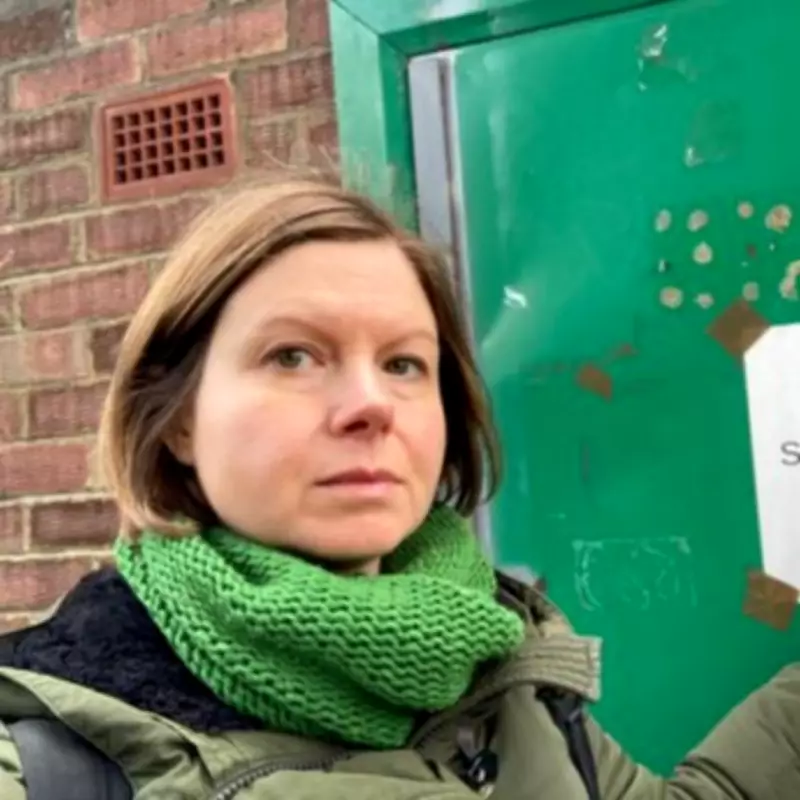
The prolonged closure has created what campaigners describe as an accessibility crisis, particularly affecting vulnerable residents. Amandine Alexandre, Green Party candidate for Harlesden and a leading campaigner, believes the park has "lost much of its attraction" and is "simply not accessible anymore" for many people.
Helen Dymond, a disabled resident who lives less than 500 metres from the park and uses a rollator, provided stark testimony: "As a disabled resident I can state that the lack of available toilets in Roundwood Park definitely affects my quality of life. Even if I were not disabled, as a woman of nearly 80 years I frequently need loo stops and because I walk slowly I never seem to be able to reach an open, functioning, lockable toilet in time."
Dymond added that this situation often causes her to "soil my pants" and prevents regular visits to what should be an essential resource for older residents seeking "air and exercise."
Campaigners Highlight Alternative Funding Sources
Ms Alexandre has suggested the council could have allocated some of the £1.5 million it received from the government's Pride in Place Impact Fund toward the toilet issue. This funding is specifically earmarked "to enhance the physical environment in public spaces."
In response, Councillor Sheth stated the funding "is limited and must be spread equitably across the borough" but confirmed the council "is exploring the financial scope needed to support repairs to the toilet." She emphasised that any solution must be "robust, secure and designed to minimise ongoing repair and operational pressures" to avoid repeating the cycle of vandalism and costly repairs.
Practical Consequences and Health Concerns
The absence of facilities has led to what residents describe as undignified alternatives, with some park-goers resorting to "using bushes to relieve themselves." Harlesden resident Rose Rouse called the continued closure "a real travesty," particularly for people visiting for picnics or sports who will "inevitably need to use the toilet."
Ms Alexandre dismissed the council's previous suggestion that residents use café toilets as an "inappropriate answer," noting they cannot serve as a proper replacement for public facilities. She warns the situation is creating "a health issue for residents" and advocates for new facilities in a different park location less susceptible to vandalism.
"I just feel like there's no plan - there is money but there's no plan to actually use it [for this]," Ms Alexandre concluded, expressing frustration at the lack of progress despite available resources.
Broader Implications for Community Access
The council has acknowledged "the importance of accessible public toilets, particularly as we move forward with our ambitions to be an age-friendly borough." Yet the four-year closure continues to prevent many residents from enjoying what should be a community asset.

Parents with young children, disabled individuals, and elderly residents report avoiding the park entirely or limiting their visits due to the toilet situation. This represents a significant reduction in accessible green space for a community that relies on such facilities for recreation, exercise, and social connection.
Despite the park still being listed as having public toilets on the council's website, the reality on the ground tells a different story—one of exclusion and diminished quality of life for those who need these basic facilities most.