Houseplant Hacks: Do Eggshells Deter Fungus Gnats? The Truth Revealed
Fungus gnats rank among the most frustrating houseplant pests, seemingly materializing from thin air to swarm around soil surfaces and human faces with relentless energy. A widely circulated internet solution proposes crushing eggshells and incorporating them into compost as a natural deterrent. This approach appears both economical and environmentally friendly, tapping into the appeal of recycling kitchen waste.
The Problem: Fungus Gnats Invasion
These tiny flying insects thrive in moist potting soil, where they lay eggs that hatch into larvae feeding on organic matter and plant roots. Their sudden appearance can baffle even experienced plant owners, creating an ongoing nuisance in indoor gardens.
The Hack: Eggshell Barrier Theory
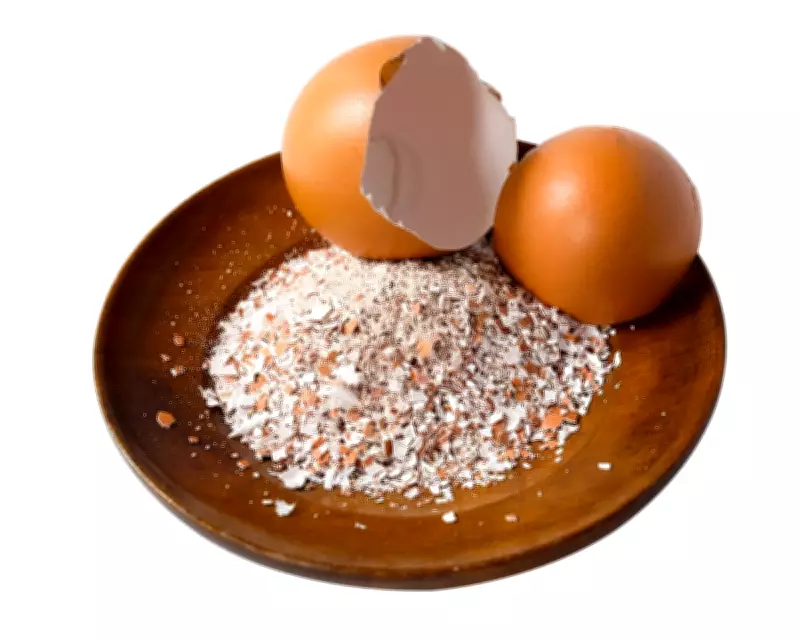
The proposed method involves crushing clean, dry eggshells into small fragments and scattering them across the soil surface. Proponents claim this creates a physical barrier preventing adult gnats from accessing the compost to lay eggs, while potentially providing minor nutritional benefits as the shells decompose.

The Testing Process
When implemented, the crushed eggshells create a rustic-looking layer atop the soil but prove fundamentally ineffective. The irregular fragments fail to form a continuous barrier, allowing adult gnats to penetrate through gaps. More critically, eggshells do nothing to address the primary attractant: damp compost conditions that fungus gnats seek for egg-laying.
The Verdict: Eggshells Fall Short
Despite their natural appeal and waste-reduction benefits, eggshells demonstrate no measurable deterrent effect against fungus gnats. The shells eventually become little more than decorative dust collectors while the pest problem persists unchanged.
Effective Alternatives for Gnat Control
To genuinely reduce fungus gnat populations, focus on these proven strategies:
- Soil Drying: Allow the top layer of soil to dry completely between waterings, eliminating the moist environment gnats require
- Adult Trapping: Use yellow sticky traps placed near plant soil to capture flying adults
- Biological Controls: Introduce beneficial nematodes or Bacillus thuringiensis israelensis (Bti) to target larvae in the soil
- Bottom Watering: Water plants from below to keep surface soil drier while providing adequate hydration to roots
While eggshells belong in compost bins for their calcium contribution, they should not be relied upon for pest management. Successful fungus gnat control requires addressing the underlying conditions rather than applying superficial solutions.