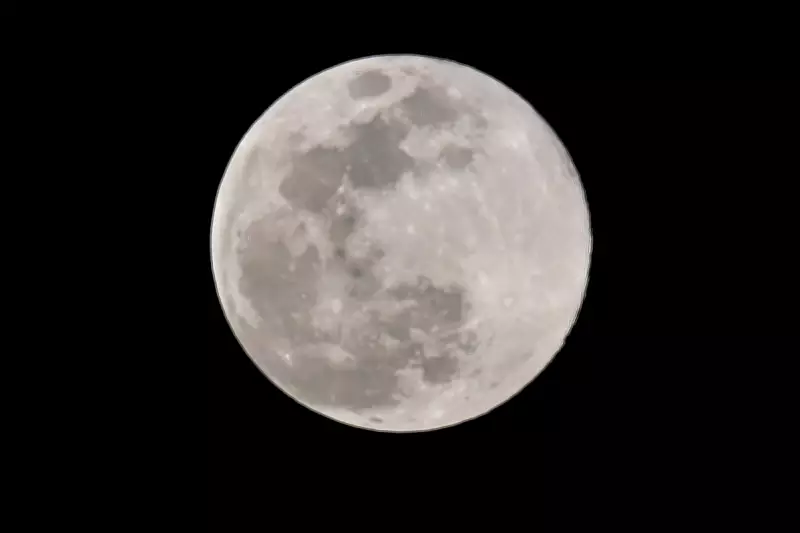
London's night sky is set to illuminate with a celestial spectacle as the Worm Moon graces the capital on March 3, 2026. This full moon, named after earthworms emerging in spring soil, offers a unique viewing opportunity for residents and visitors alike, blending natural wonder with urban charm.
Understanding the Worm Moon Phenomenon
The Worm Moon marks the third full moon of the year, following February's Snow Moon and January's Wolf Moon. Its name originates from traditional folklore, referencing the time when earthworms typically reappear in the ground, signaling the onset of spring. In other regions, this moon is known as a Blood Moon due to its reddish tint caused by atmospheric filtering of blue light, adding an extra layer of intrigue to the event.
Optimal Viewing Times in London
Peak illumination for the Worm Moon occurs at 11:37 AM on Tuesday, March 3, 2026. However, skywatchers can enjoy a breathtaking display on both Monday and Tuesday evenings. Across the United Kingdom, moonrise is scheduled between 5:40 PM and 5:50 PM, providing a perfect window to observe the moon glowing vividly on the horizon. No specialized equipment is necessary, as the Worm Moon will be visible to the naked eye, making it accessible for all enthusiasts.

Challenges and Solutions for Urban Stargazing
London, known for its significant light pollution, poses a challenge for clear lunar viewing. Yet, with strategic planning, residents can overcome this obstacle. Heading to elevated vantage points, such as rooftops or local parks, can enhance visibility. Key spots recommended for optimal viewing include Morden Hall Park in South London, Primrose Hill, and Greenwich Park, all offering clearer skies and reduced light interference.
Prime Locations Across the Capital
For those seeking the best Worm Moon experience, several locations stand out. Morden Hall Park provides a serene setting with open spaces, while Primrose Hill offers panoramic views of the city skyline. Greenwich Park, with its historical observatory, adds an educational twist to the stargazing adventure. These sites not only improve chances of spotting the moon but also enrich the overall experience with London's iconic backdrop.
Weather Considerations and Preparation Tips
Weather conditions and light pollution remain the primary factors that could obstruct the lunar spectacle. To maximize viewing success, check local forecasts for clear skies and plan to arrive early at chosen spots. Dressing warmly and bringing binoculars, though not essential, can enhance detail observation. By staying informed and prepared, Londoners can fully appreciate this natural event without hassle.
In summary, the Worm Moon 2026 presents a rare chance to connect with nature in an urban environment. With careful timing and location selection, anyone in London can witness this astronomical highlight, making it a memorable addition to the city's cultural calendar.