
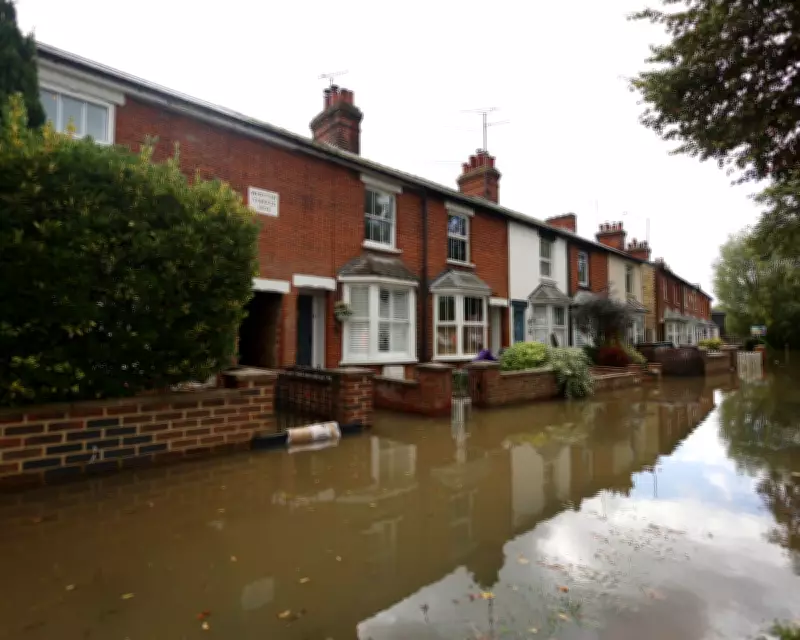
Alarming Rise in New Homes Built in Flood-Prone Areas Across England
A recent analysis by the insurer Aviva has uncovered a concerning trend in England's housing development. Between 2022 and 2024, one in nine new homes were constructed in areas classified as medium or high risk for flooding. This represents a significant increase from previous years, where one in thirteen new homes were in similar risky zones from 2013 to 2022.
Detailed Findings and Regional Disparities
The data, sourced from Ordnance Survey records, indicates that out of 396,602 new homes built in England during the specified period, 43,937 are located in flood-prone areas. Overall, 26% of these new homes face some level of flood risk. By 2050, projections suggest that 15% will be at medium or high risk, and nearly a third will encounter some flood threat due to anticipated extreme rainfall from climate breakdown.
Regional analysis highlights Greater London and Essex as the most affected, with 32% of new properties at risk. Lincolnshire, East Yorkshire, and parts of the west and north-west follow at 13%, while the east of England has the lowest proportion at 2%.
Expert Warnings and Government Response
Emma Howard Boyd, former chair of the Environment Agency and an advisor to Aviva, expressed deep concern. She emphasized that the government's target to build 1.5 million homes this parliament could exacerbate the issue by pressuring developments in high-risk zones. "We don't want to be building today's houses in places where they will become ever more at risk of flooding," she stated, urging closer collaboration between Defra and the Ministry for Housing.
Jason Storah, CEO of UK and Ireland general insurance at Aviva, echoed these sentiments, noting that homes built since 2009 are excluded from the Flood Re reinsurance scheme, leaving them vulnerable. "It's particularly worrying that this trend has risen in recent years, just as housebuilding accelerates," he said, advocating for a presumption against new developments in high-risk areas and mandatory flood resilience measures.
Insurance Sector Concerns and Broader Implications
The Association of British Insurers reported a 38% increase in domestic flood claims last year, totaling £312 million, with average payouts jumping 60% to £30,000. Overall, weather-related property claims reached £1.2 billion, a 14% rise from 2024. Chris Bose, director of general insurance policy at the ABI, called for urgent government action, including stronger planning rules to prevent construction in flood-prone zones.
Instances like Ynysybwl in Wales, where homes were bought by the council due to constant flooding, and Tenbury Wells, where residents are abandoning properties due to uninsurability, underscore the real-world consequences. Experts warn that without intervention, some areas may become uninhabitable.
Government Stance and Future Outlook
A government spokesperson disputed Aviva's analysis, arguing it fails to account for existing flood defences. They reaffirmed commitments to building 1.5 million homes safely, with planning proposals ensuring development does not proceed where flood risk poses a danger. This is supported by a record £10.5 billion investment in flood projects, aimed at protecting nearly 900,000 properties by 2036.
As climate breakdown accelerates, the debate intensifies over balancing housing needs with environmental safety. Aviva and other stakeholders continue to push for regulatory reforms to mitigate risks and protect communities from future flooding disasters.



