
The Great Olympic Lie: Winter Games' Environmental Impact Uncovered
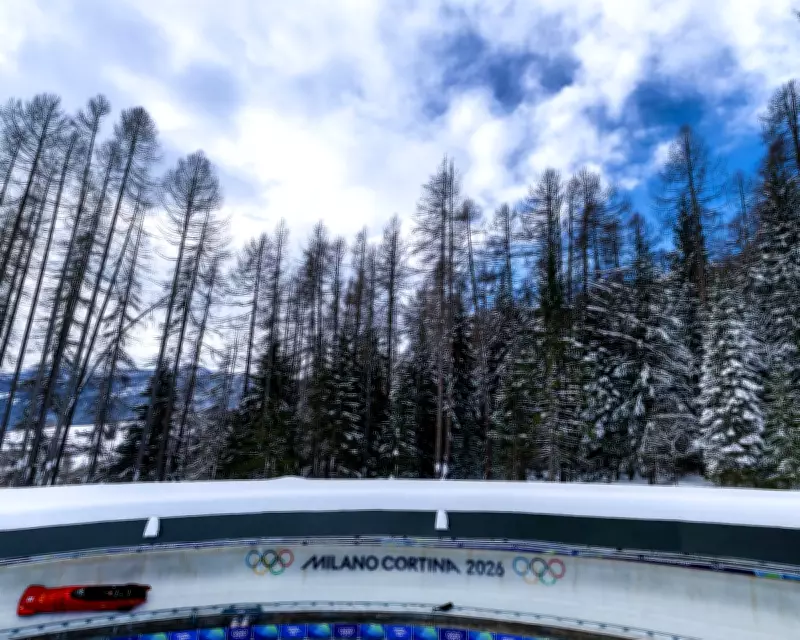
In the foothills of the mountains, by the banks of the river in Cortina, there once stood a forest known as the Bosco di Ronco. This unique woodland, filled with tall larch trees, some over 150 years old, was a cherished local spot for walks, tennis, and memories of an old wooden bobsleigh run. Today, it is gone, replaced by a 2km steel and concrete bobsleigh track for the Milano Cortina Winter Olympics, symbolizing what critics call the great lie of these Games: sustainability.
Sustainability Promises Versus Harsh Realities
The International Olympic Committee has heavily promoted the Milano Cortina Games as a model of sustainability, with claims of low carbon transport, recyclable materials, and the use of 85% existing or temporary venues. However, investigations reveal a starkly different picture. Most existing venues required demolition and reconstruction with larger footprints, such as new ski jumps in Predazzo and a snowpark gouged into a mountain in Livigno, despite an existing one nearby.
Moreover, the climate crisis has exacerbated environmental challenges. Average February temperatures in Cortina have risen by 3.6°C since the last Olympics in Italy, and snow depth has decreased by 15cm over 50 years. To compensate, organizers built four high-altitude reservoirs, pumping 2.3 million cubic metres of water from drought-stricken rivers to create artificial snow, leading to fish deaths and pollution.
Environmental Sacrifices and Local Tensions
The destruction of the Bosco di Ronco is just one example of what activists describe as Olympic sacrileges. Other projects include the Socrepes cable car built on a moving landslide, Olympic villages destroying natural land, and ski slopes upgraded with thousands of trees cut down. The Italian government waived environmental impact assessments for 60% of construction projects, many in a Unesco world heritage site.
Local opinions are divided. Some business owners welcome the economic boost from the bobsleigh track, despite past tracks falling into disuse. However, environmental groups like WWF Italia, which abandoned discussions with organizers, argue that the Games prioritize infrastructure over ecological viability, undermining community sustainability.
Broader Implications and Future Concerns
Carmen de Jong, a hydrology professor, highlights the water scarcity crisis, noting that reservoirs for artificial snow signal a desperate response to climate change. The spread of events across vast areas multiplies environmental stress, contradicting claims of a sustainable Games. As the Winter Olympics continue to demand bigger and better venues, the gap between rhetoric and reality grows, leaving a legacy of ecological damage for future generations.



