
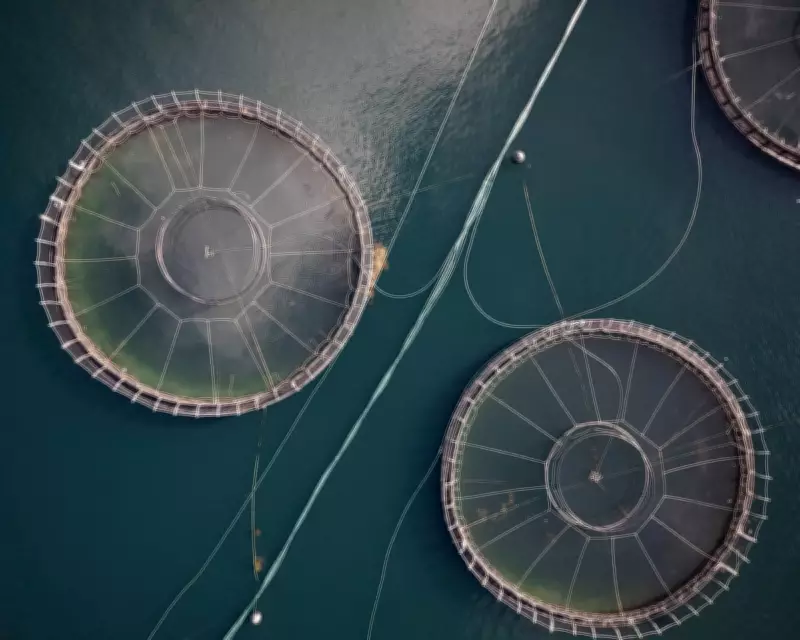
Tasmania Implements Florfenicol Ban in Salmon Aquaculture
Tasmania has officially banned the use of the antibiotic florfenicol in its salmon farming industry, a significant step to address growing concerns over antibiotic resistance and environmental impact. This decision, announced by state authorities, aims to promote more sustainable practices in one of Australia's key aquaculture regions.
Environmental and Health Motivations Behind the Ban
The ban on florfenicol, commonly used to treat bacterial infections in farmed salmon, comes after extensive research highlighted its potential risks. Studies have shown that antibiotic residues can accumulate in marine environments, contributing to the development of resistant bacteria. This poses a threat not only to aquatic life but also to human health through the food chain.
Environmental groups have long advocated for stricter regulations, citing instances of water pollution and ecosystem disruption near salmon farms. The Tasmanian government's move is seen as a proactive response to these concerns, aligning with global trends toward reducing antibiotic use in agriculture.
Impact on the Salmon Farming Industry
Salmon farming is a major economic driver in Tasmania, contributing significantly to local employment and exports. The ban on florfenicol will require farmers to adopt alternative disease management strategies, such as improved hygiene, vaccination programs, and non-antibiotic treatments. While this may increase operational costs in the short term, it is expected to enhance the industry's long-term sustainability and market appeal.
Industry representatives have expressed mixed reactions, with some welcoming the shift as an opportunity to improve public perception and meet consumer demand for responsibly sourced seafood. Others have raised concerns about potential challenges in maintaining fish health without effective antibiotics.
Global Context and Future Outlook
This ban places Tasmania at the forefront of efforts to combat antibiotic resistance in aquaculture, joining countries like Norway and Canada that have implemented similar restrictions. It reflects a broader movement toward sustainable food production, driven by increasing awareness of environmental and health issues.
Looking ahead, the Tasmanian government plans to monitor the ban's effectiveness through regular water quality testing and industry audits. Additional measures may include incentives for adopting green technologies and support for research into innovative farming practices. This initiative is part of a larger strategy to balance economic growth with ecological preservation in the region.



