
Siekopai Women Lead Amazon Resistance Against Oil Industry on Ecuador-Peru Border
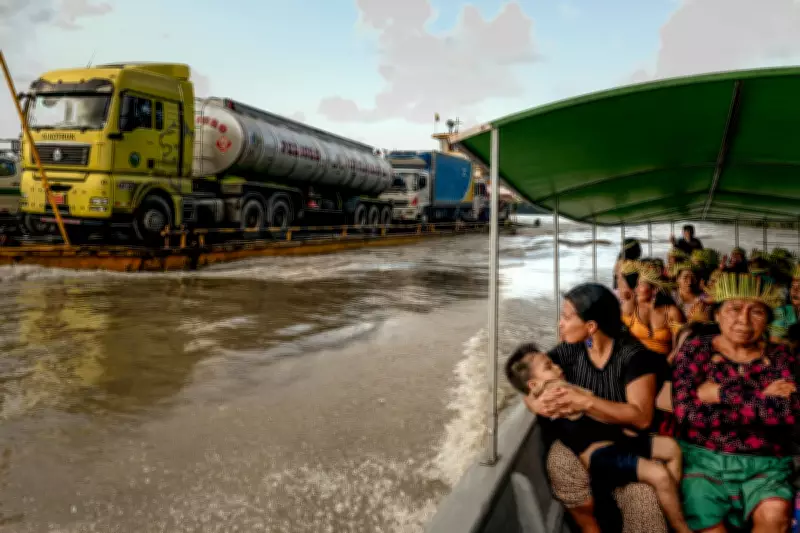
In June 2025, a group of Siekopai women traveled along the Aguarico River in the Ecuadorian Amazon, reuniting mothers, daughters, cousins, and granddaughters for the Binational Ceramics Gathering in Siekoya Remolino. This community remains one of the few areas free from oil extraction, mining, and African palm monocultures, serving as a sanctuary for Indigenous culture and environmental preservation.
Historical Displacement and Modern Threats
The Siekopai Nation, historically occupying territories along the northern border between Ecuador and Peru, faced severe displacement during the 1941 border war, with consequences extending into the 1990s. According to Justino Piaguaje, leader of the Siekopai in Ecuador, the nation's original population was nearly 20,000, but diseases brought by colonizers, Jesuit missions, slavery conditions during the rubber boom, and oil industry impacts led to a drastic decline. Today, only about 800 Siekopai remain in Ecuador and 1,200 in Peru.
The Aguarico River and its tributaries are clay rivers whose mineral-rich sediments are essential for soil fertility, fish reproduction, and forest regeneration. However, in both Peru and Ecuador, oil spills and toxic waste contaminate these waters, threatening community health, particularly for women and children.
Women at the Forefront of Resistance
Women are leading the Siekopai's tireless fight to defend territorial rights, protect the natural environment, and preserve ancestral knowledge safeguarding one of the world's most biodiverse areas. They organize community assemblies and serve as Indigenous guards—legitimate community bodies defending culture and natural resources. These women are also teachers, scientists, climbers, and anthropologists who blend ancestral wisdom with modern technology.
- Using drones for environmental monitoring
- Installing satellite internet antennas for communication
- Operating plant-processing laboratories for traditional medicine
The Keñao Productive Women's Association, founded in 2022 by 26 Siekopai female artisans, promotes Indigenous women's participation and economic autonomy. This organization represents a growing movement of women reclaiming leadership roles in environmental protection.
Facing External and Internal Challenges
During the river journey, a large fuel tanker on a floating platform appeared parallel to the women's boat, creating a moment of tension and fear. Yadira Ocoguaje, a young Amazonian leader, commented, "This is what we face, this is what we defend ourselves against." This encounter symbolizes the ongoing structural threats from the oil industry.
Women's leadership faces challenges both externally—from authorities criminalizing protest—and internally, where gender norms have been reshaped by decades of missionary presence and state intervention. Despite these obstacles, Siekopai women continue to seek each other out, reunite, and organize.
Transforming Understanding of Territory
Photographer Johanna Alarcón, who first visited Siekoya Remolino in 2024 to conduct documentary workshops with Indigenous women, describes how meeting the Keñao women transformed her understanding of territory. She no longer sees it as mere landscape but as a living body and collective memory. Alarcón's previous work documented oil spills, gas flares, monocultures, refineries, river erosion, obstetric violence against Indigenous women, and structural abandonment in northern Ecuador's Amazon region.
The Siekopai resistance represents more than environmental activism—it's a fight for cultural survival, women's rights, and the preservation of knowledge systems that have sustained the Amazon for generations. As development pressures increase, these women stand as guardians of both their ancestral heritage and one of Earth's most vital ecosystems.



