In the quiet fields of Caistor St Edmund, Norfolk, a simple saliva test for George the Connemara pony is reshaping traditional approaches to equine parasite control. Gone are the days of routine three-monthly deworming, as resistance to wormers rises and environmental impacts come under scrutiny. Today, targeted testing ensures horses are only treated when necessary, blending modern veterinary science with ecological awareness.
The Science Behind Saliva Testing
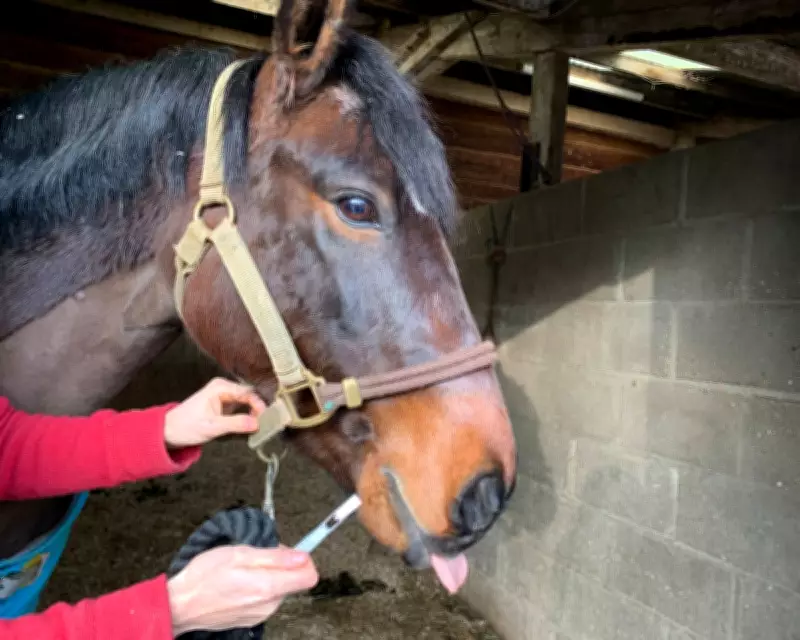
Using a medical spatula, I carefully insert it into George's mouth, finding the interdental gap behind his incisors. As he licks and chews, I hold it in place for at least 30 seconds to collect a robust saliva sample on an absorbent swab. This sample will be analyzed for antibodies indicating a tapeworm burden, a method that replaces guesswork with precision.
George was last tested in winter, requiring treatment that was promptly administered. Today's follow-up test checks its effectiveness, while a separate fecal sample, squished into a matchbox-sized tub, screens for eggs of other worms. Typically clear of these, George's case exemplifies how targeted deworming minimizes unnecessary chemical use.
Environmental Impacts of Deworming
With warmer weather awakening dung beetles from hibernation, the stakes are higher. Ivermectin, a common wormer, can paralyze these beetles and persist in soil for over two years, disrupting ecosystems. This highlights a critical shift: deworming must be judicious to protect biodiversity, moving beyond routine schedules to evidence-based practices.
The Dung Beetle Dilemma
Poo-picking, a staple of parasite control, removes eggs from pastures but also threatens dung beetles. Each dropping serves as habitat and food for the UK's 60 or so species. I prise apart a fresh horse poo to observe a glossy black Geotrupidae beetle, about 2cm long, with spurs on its legs for tunneling. It scurries into a thumb-width hole, illustrating how these insects bury dung underground for feeding and breeding.
Other species live directly in the dung, all preferring fresh droppings. The compromise for avid poo-pickers is to leave a few of the latest offerings, balancing parasite management with beetle conservation. This nuanced approach acknowledges that overscrupulous cleaning can harm these vital decomposers.
Broader Implications for Horse Care
The evolution from blanket deworming to targeted strategies reflects a growing understanding of resistance and environmental stewardship. By integrating saliva and fecal testing, horse owners can tailor treatments, reducing chemical runoff and supporting soil health. This method not only safeguards individual animals like George but also promotes sustainable farming practices.
As George's samples are posted for analysis, the wait begins for results that will guide future care. This story underscores a broader trend in rural affairs, where traditional methods are reevaluated through a lens of ecological responsibility. From Norfolk's pastures to global equine communities, the shift towards precision in parasite control is paving the way for healthier horses and habitats.