
Record-Breaking Wildfires Ravage US Cattle Country in Spring Blaze
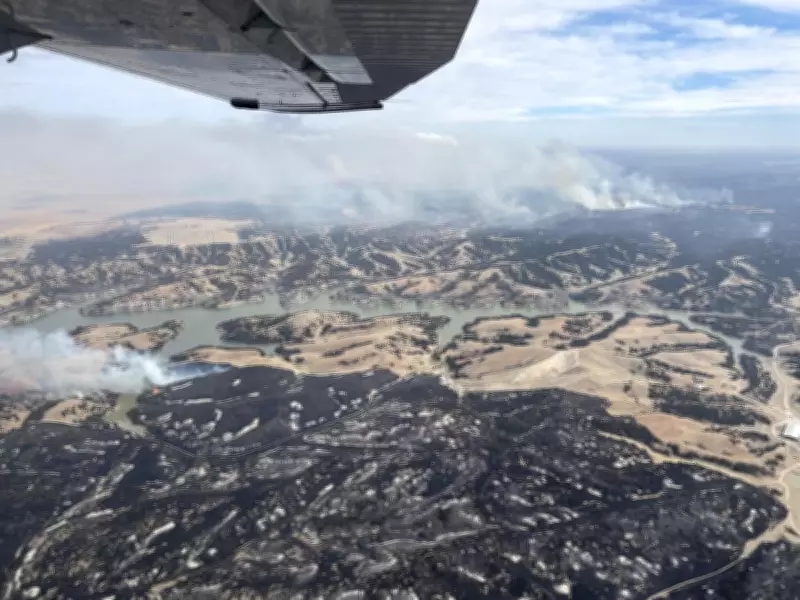
In a normal year, the vast grasslands of the American Great Plains would be greening with life. However, this spring, instead of moisture, fire has swept across the region, leaving over a million acres blackened and barren. Rising temperatures and extreme drought are driving more destructive spring fires, with Nebraska at the epicenter of this devastating trend.
Unprecedented Blazes Obliterate Records
Multiple wildfires raged across Nebraska in March, shattering annual acreage records in a single month. The state witnessed its largest blaze ever recorded when the Morrill fire cascaded across more than 642,000 acres before containment. Fire is no stranger to this region early in the year, when low precipitation, dry dormant grasses, and strong winds create ideal conditions. While other parts of the American West face peak fire threats in summer and fall, grasslands are primed to burn in the spring.
In recent years, risks have sharply risen alongside the size and impact of blazes. Dr. Dirac Twidwell, a rangeland ecologist at the University of Nebraska, described a changing wildfire dynamic, where extreme conditions fuel catastrophes. Stronger summer storms seed grasses that cure by winter, and without protective snow cover, browned vegetation ramps up fire risks—especially when winds blow.
Perfect Storm Conditions Converge in Nebraska
This year, conditions aligned to create a perfect storm in Nebraska. After summer rains pummeled parts of the state, winter was the second warmest and fourth driest on record. "The probability of ignition just goes through the roof," Twidwell added. "The deck has been stacked." Satellite images from the National Oceanic and Atmospheric Administration show grasslands in western Nebraska before and after wildland fires spread, highlighting the stark transformation.
Fueled by rising temperatures, seasonal extremes, and land management practices, cattle country has been hammered by spring fires in recent years. In February 2024, the largest wildfire in Texas history turned the Panhandle into a moonscape, with over 10,000 livestock deaths linked to the disaster. The following year, Oklahoma burned through March, as dozens of conflagrations claimed hundreds of homes and four lives.
Devastation and Human Toll in Nebraska
The grim trend continued in March 2026 in Nebraska. Officials are still tallying devastation from a massive blaze that covered more than 70 miles in the first 12 hours. The Morrill fire claimed the life of 86-year-old Rose White, a great-grandmother fleeing her home on the prairie. It reduced parts of the Nebraska Sandhills—one of the largest temperate grasslands still intact—to ash and sand.
The Morrill fire was just one of many that erupted in the state recently. Miles of fencing and forage are gone, and thousands of livestock were killed or severely burned. Collin Thompson, a Nebraska rancher, emotionally described his land left desolate by the roughly 130,000-acre Cottonwood fire. "There are areas where you see nothing but tree skeletons," he said, likening his property to a war zone. "As this fire ripped through here, it took all the grass. There's none left."
Drier Winters and Long-Term Challenges
Homer Buell, a fourth-generation rancher, noted he had never seen a winter as dry as this one. While his family's land was spared, he felt changing conditions and worked with his community to navigate challenges. The cattle industry's feeding operation is concentrated on the Great Plains, and fires could deal a long-term blow if grasses don't rebound quickly. In Nebraska, a top US producer where cattle outnumber people 4 to 1, worries about range recovery are high. Experts say grazing on burned lands is unlikely this year.
Tight-knit ranching communities stretch beyond state lines, with many experiencing their own tragedies. Donated hay has come from across the country, brought by volunteer truckers eager to help. However, cattlemen hope good summer rains will provide relief and start regrowth. More than 40% of Nebraska was in "extreme drought" at March's end, and across the High Plains, roughly half the region faces "severe drought." Rangelands and water supplies in Texas and Oklahoma are affected by significant drought challenges, according to a federal update on 2 April.
Recovery and Future Management
The wettest months are ahead for the Great Plains, with most precipitation in spring and summer. If rains fall short or come too hard, affected communities may continue to struggle. Buell emphasized that the biggest impacts could come long after flames are extinguished. "Losing that feed source for the cattle is a secondary effect," he said. "The secondary effects are just as bad and maybe worse if you happen to get the rain after. Now, if we don't get rain—well, it's really a very sad and bad situation."
Experts assure that lands will rebound, potentially healthier than before. Wildfires regularly swept across grasslands long before ranches and farms dotted the landscapes, started naturally and by Indigenous people to clear and regenerate vegetation. Dr. Victoria Donovan, assistant professor of forest management at the University of Florida, noted that while fires are detrimental to people, high-intensity burns can help restore grassland states by preventing woody encroachment.
Twidwell agrees, highlighting opportunities to change land-management practices as the world warms. Extensive cattle grazing and fire suppression have contributed to rising risks. "It's not a question of if it can recover or not," he said. "But how do you navigate given how people tend to manage these landscapes today and how can we do a better job of coexisting with this reality in the future?" Buell, as a local leader, looks to the land for answers, focusing on grasses and wildlife to pass healthy ecosystems to future generations.



