
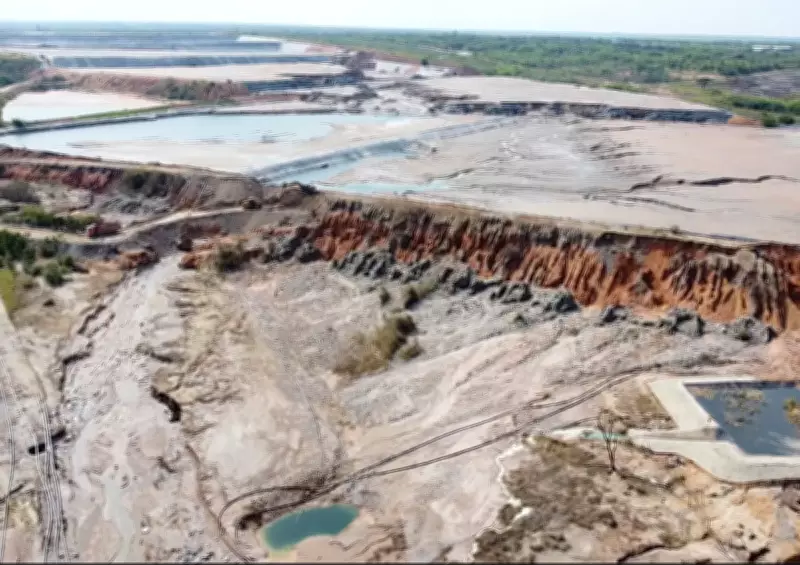
The Hidden Peril of Mining's Toxic Waste Dams
Across the globe, thousands of dams constructed to contain poisonous mining waste represent a ticking environmental timebomb, with the potential for catastrophic failures that could unleash devastation on nearby communities and fragile ecosystems. These structures, often aging and poorly maintained, hold back vast reservoirs of toxic sludge filled with heavy metals, chemicals, and other hazardous byproducts from mineral extraction processes.
Aging Infrastructure and Mounting Risks
The risks associated with these toxic waste dams are escalating due to a combination of factors, including deteriorating infrastructure, inadequate regulatory oversight, and the intensifying impacts of climate change. Many of these dams were built decades ago using now-outdated engineering standards, and they are increasingly vulnerable to structural failures triggered by extreme weather events such as heavy rainfall, floods, or seismic activity.
When these dams burst, the consequences are dire and far-reaching. The sudden release of toxic waste can contaminate water supplies, destroy agricultural land, and poison rivers and oceans, leading to long-term health problems for local populations and irreversible damage to biodiversity. Historical incidents, such as the 2019 Brumadinho dam collapse in Brazil that killed 270 people, underscore the human and environmental toll of such disasters.
Global Distribution and Regulatory Gaps
These hazardous dams are not confined to any single region; they are dotted around the world, from South America and Africa to Asia and Australia, often in close proximity to vulnerable communities. Despite the clear dangers, regulatory frameworks in many countries remain weak or inconsistently enforced, allowing mining companies to operate with minimal accountability for the safety of their waste storage facilities.
The lack of transparency and independent monitoring further exacerbates the problem, making it difficult to assess the true scale of the risk or to implement timely preventative measures. Experts warn that without urgent action to strengthen regulations, improve dam safety, and invest in safer waste management technologies, the likelihood of more frequent and severe failures will only increase.
Climate Change as an Accelerant
Climate change acts as a critical accelerant to this crisis, with rising temperatures and more frequent extreme weather events placing additional stress on already fragile structures. Increased rainfall can overwhelm dam capacities, while droughts may lead to structural weaknesses, creating a perfect storm for potential breaches. This intersection of industrial legacy and environmental change highlights the need for a coordinated global response to mitigate the risks.
In conclusion, the world's mining waste dams represent a profound and growing threat that demands immediate attention from governments, industry leaders, and international bodies. Addressing this toxic legacy requires not only technical solutions and robust regulations but also a commitment to prioritizing environmental and human safety over short-term economic gains.



