UK's Largest Oyster Rewilding Project Launches in North Sea
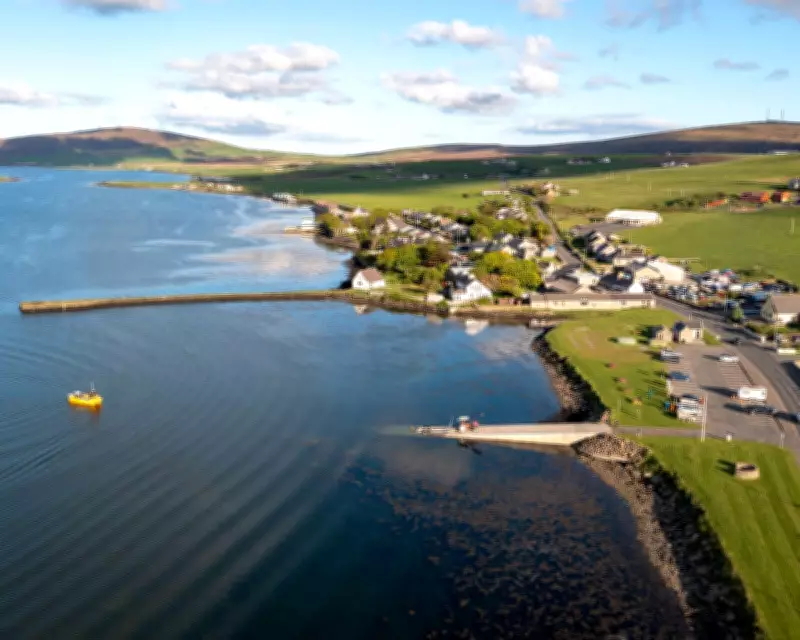
In one of the most ambitious marine restoration projects ever undertaken in British waters, more than 15 million juvenile oysters are being released into the North Sea. The groundbreaking initiative, centered around Orkney's coastal areas, represents a monumental effort to revive native oyster populations that once thrived throughout UK waters.
A Blueprint for Marine Restoration
Experts leading the project believe this scheme will establish a comprehensive template for restoring oyster beds across coastal regions throughout the United Kingdom. Richard Land, the marine specialist directing the initiative, emphasized its far-reaching ecological implications. "This project creates what we call a trophic cascade effect," Land explained. "The benefits won't just extend to fish populations and local bays—they'll positively impact sea mammals, seabirds, and the entire marine environment."
The collaborative effort involves multiple organizations including the Green Britain Foundation, Nature Restoration Fund, Marine Fund Scotland, and North Bay Innovations. According to Land, "This initiative serves as a blueprint for broader plans to reintroduce oysters to UK and European waters on a significant scale."
Historical Context and Ecological Decline
Oyster beds were once fundamental components of Britain's marine ecosystems, with some North Sea beds covering areas comparable to Wales in size. However, the Industrial Revolution triggered a dramatic decline as oysters became a staple food source for workers. Historical records indicate that Londoners alone consumed approximately 700 million oysters between 1840 and 1850.
This massive overfishing, combined with increasing pollution, climate change impacts, and deliberate removal to clear shipping channels, devastated oyster populations and their interdependent species. Scientists describe this as a "negative cascade" that has severely degraded marine ecosystems across the region.
Innovative Restoration Techniques
The Orkney project employs a unique cultivation method where juvenile oysters are raised onshore using specialized "plates" enriched with calcium carbonate. Once established, these plates are transferred to the sea on extended lines that protect the young oysters from predators until they reach sufficient size to survive independently.
This innovative approach allows the oysters to eventually form natural beds that develop into complex reef systems supporting dozens of species including scallops, molluscs, various algae, seaweeds, and numerous invertebrates.
Climate Benefits and Carbon Sequestration
Dale Vince, founder of the Green Britain Foundation and a key supporter of the project, highlighted the significant climate benefits. Research indicates that restored oyster reefs can sequester substantial amounts of carbon dioxide. This particular initiative aims to establish a new oyster bed covering more than 100 hectares (247 acres), potentially capturing up to 76 tonnes of CO2 annually.
"This entire project originated from asking how we can harness nature to perform carbon capture for us," Vince stated. "Restoring native oyster beds perfectly demonstrates how we can simultaneously work to revive natural ecosystems while combating climate change."
Project organizers emphasize that the ultimate objective extends beyond initial carbon capture figures. They aim to stimulate natural spawning processes that could eventually expand carbon sequestration "by over a thousand-fold per annum after approximately fifteen years" once oyster beds become fully established along coastlines.
Political and Scientific Support
Alistair Carmichael, Liberal Democrat MP for Orkney and Shetland, expressed strong support for the restoration efforts. "Initiatives to recover historic wildlife in our islands are absolutely welcome," Carmichael noted, "particularly when they offer carbon sequestration opportunities simultaneously."
Philine Zu Ermgassen from the University of Edinburgh emphasized the critical importance of such reintroduction programs. "With oyster populations currently so depleted, natural recovery has become impossible in many locations without human intervention," she explained. "The development of advanced hatchery techniques is essential for producing sufficient oysters from local genetic stocks to support meaningful ecosystem restoration."
This landmark project represents a significant step toward reversing decades of marine ecosystem degradation while simultaneously addressing climate concerns through natural carbon capture mechanisms.